
Our Work Internationally
Approximately 25% of unrestricted income is given to relief agencies for the relief of poverty and ill-health, and the fostering of opportunities for young people in the developing world
Our standard international grant is £1,000. Due to the volume of applications, we usually have to put a cut-off on further applications from about 10 weeks before each meeting. It is important therefore to submit your application as early as possible to avoid disappointment.
As a small foundation we sympathise with other small organisations who lack the resources for major fundraising campaigns. Our donation policy tends to favour such organisations.
Whilst recognising that real need exists in even the wealthiest of countries, our policy tends to avoid giving grants to developed countries, including Eastern Europe and to BRIC countries (Brazil, Russia, India and China). The emphasis is therefore towards Africa, poorer parts of Latin America and the Caribbean and the poorer countries of Asia.
The trustees have a strong preference to give grants where work is self-sustaining. Organisations that ask their beneficiaries to involve and educate other needy people will stand a better chance of obtaining a grant.
Organisations re-applying within 12 months of receipt of their last grant are unlikely to be successful.
Approximately nine months after receiving a grant, we ask organisations to complete an electronic evaluation form to identify if and how the funding has taken forward the work of the organisation. This also allows the Trustees to find out how many beneficiaries have been helped and by this means gauge the “value for money” that the grant has provided
Flagships-Africa Trip 2026
Every three years we select a number of organisations to become our International Flagship partners where funding is typically between £12,000 and £24,000 for each recipient over a three year period.
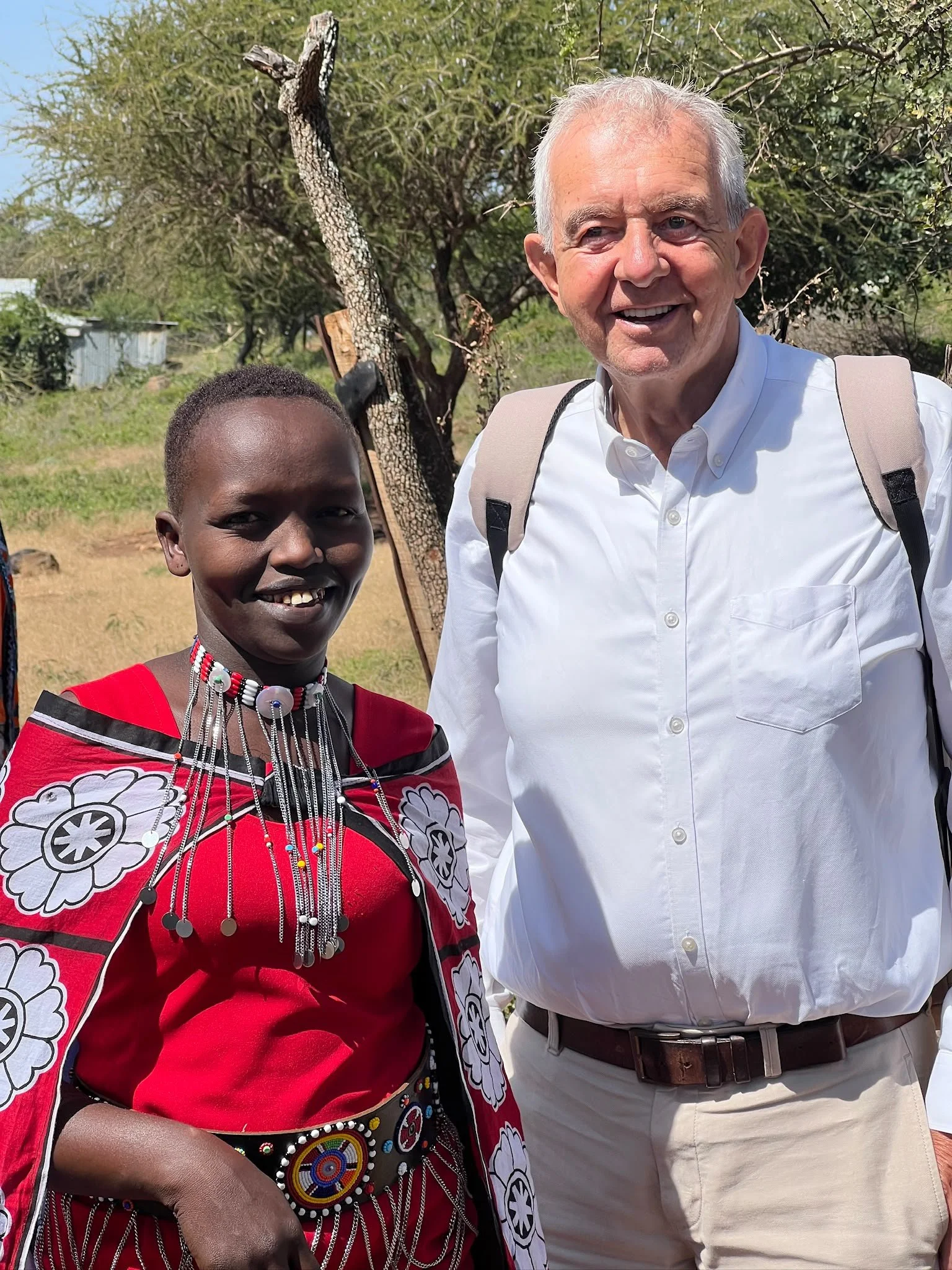
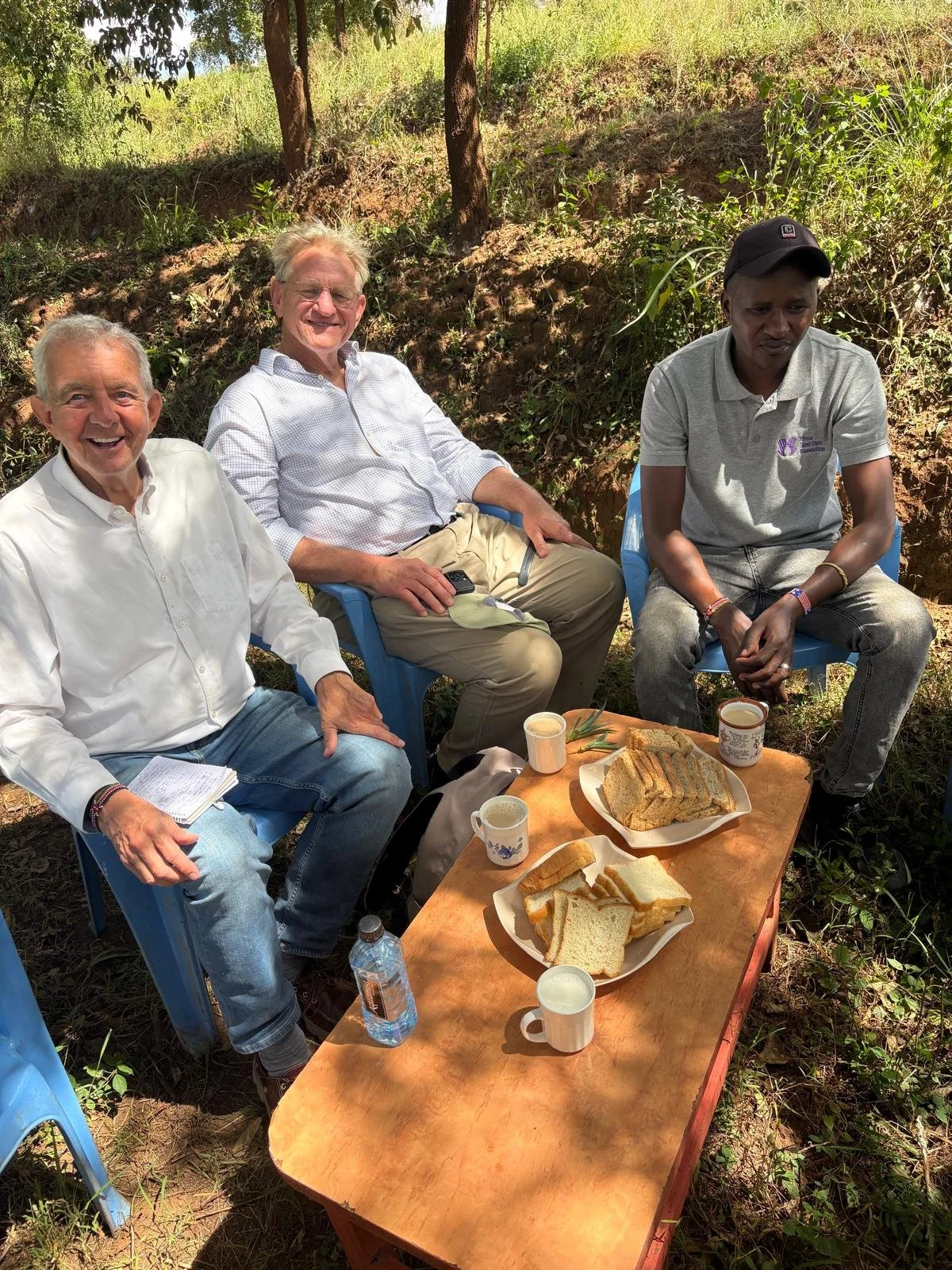
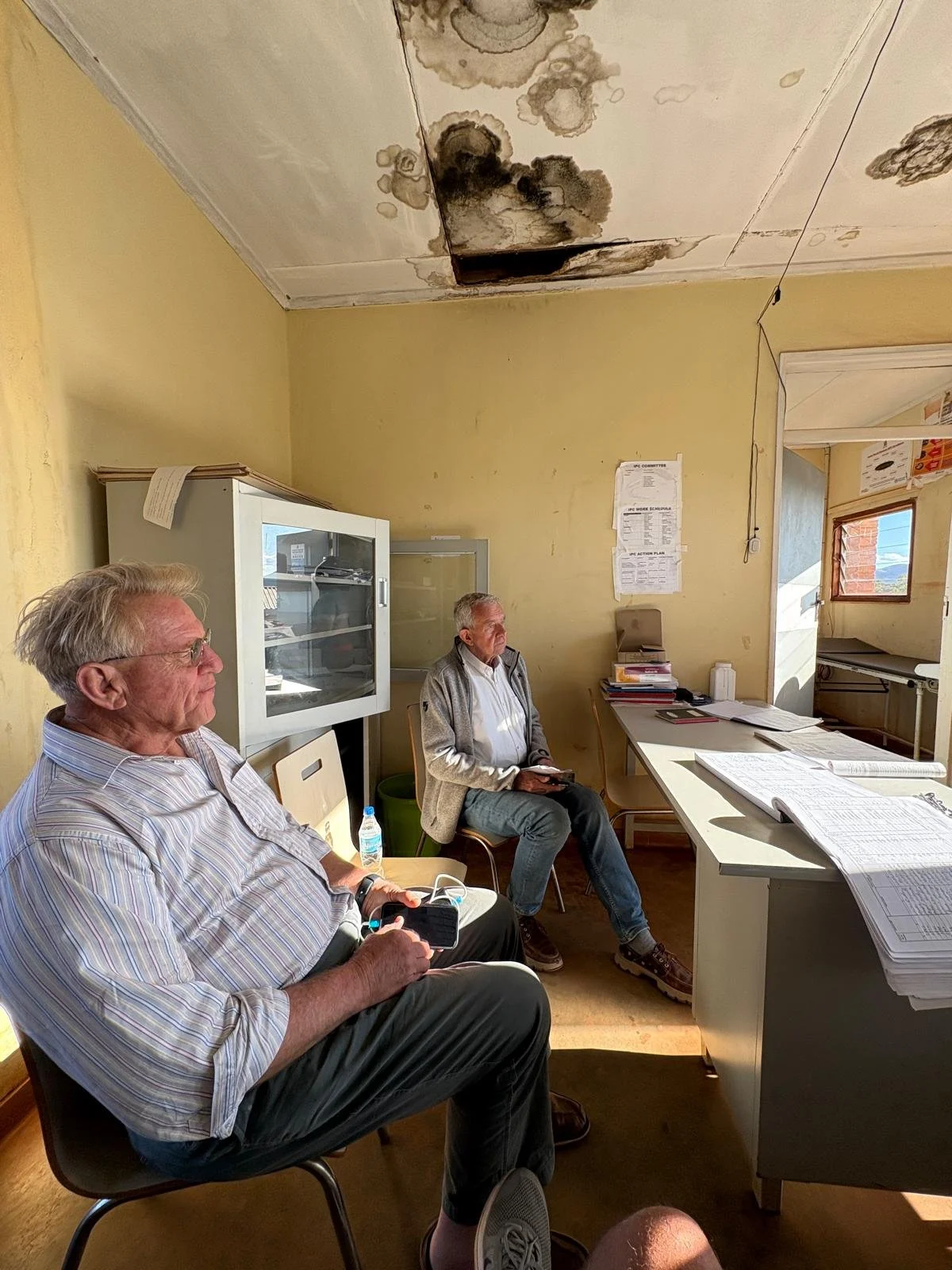
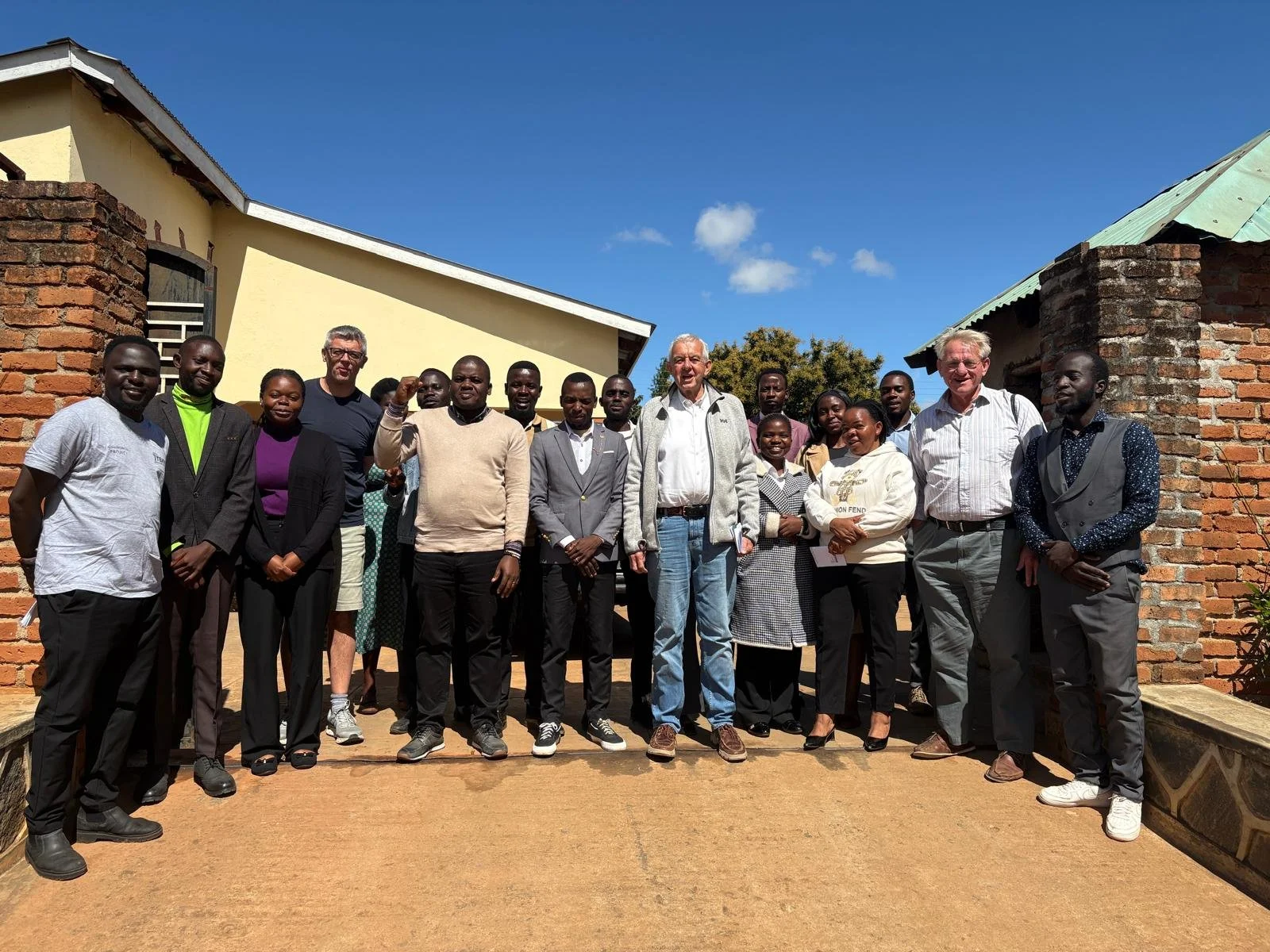
In June 2026, ABF trustees Clive Bailey, Adam Leach and Rev Steven Bunting visited seven partner projects across Kenya, Malawi and Zambia. The trip offered a powerful insight into how ABF funding is strengthening communities, improving water access, supporting families, and empowering young people.
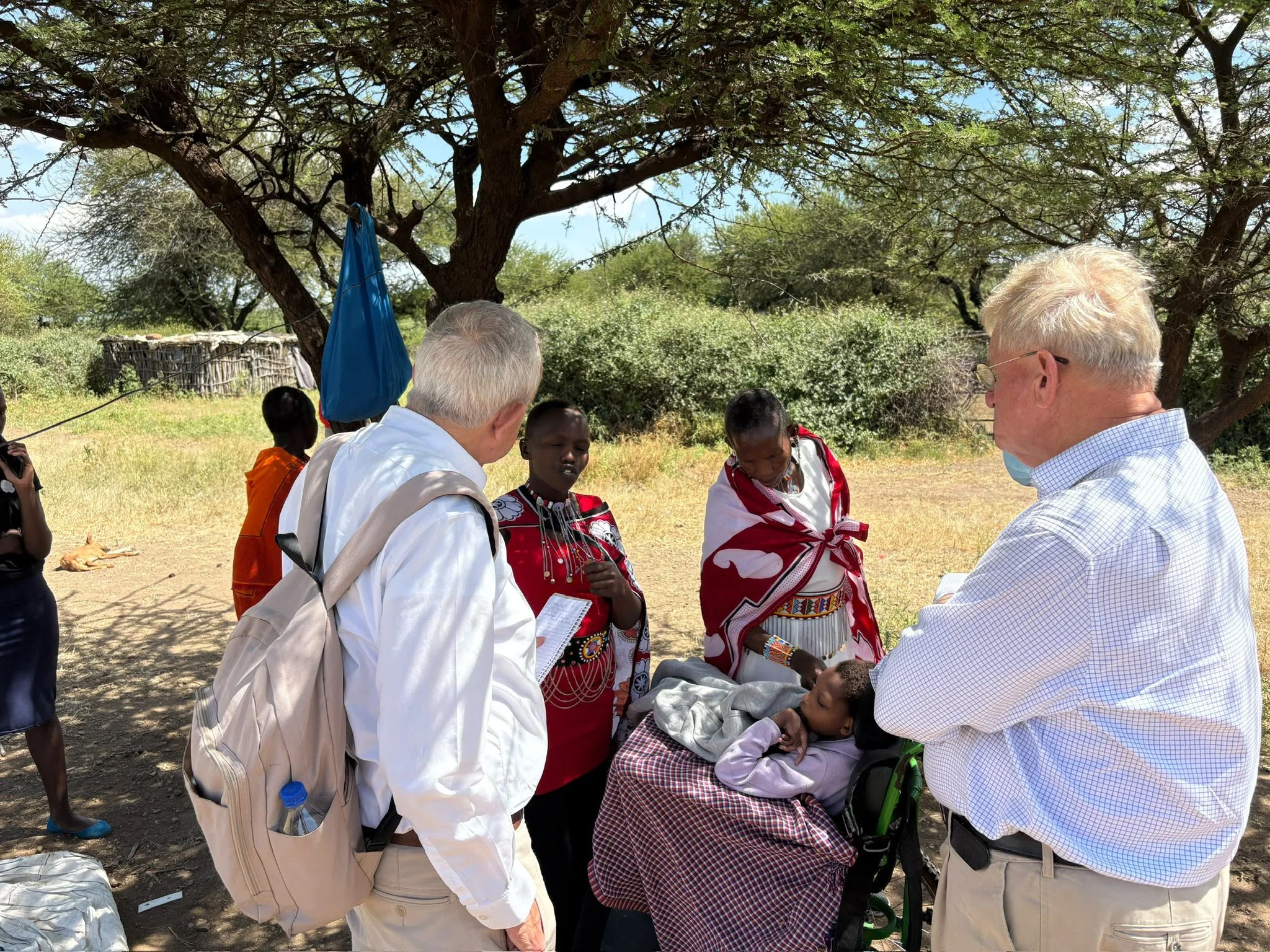
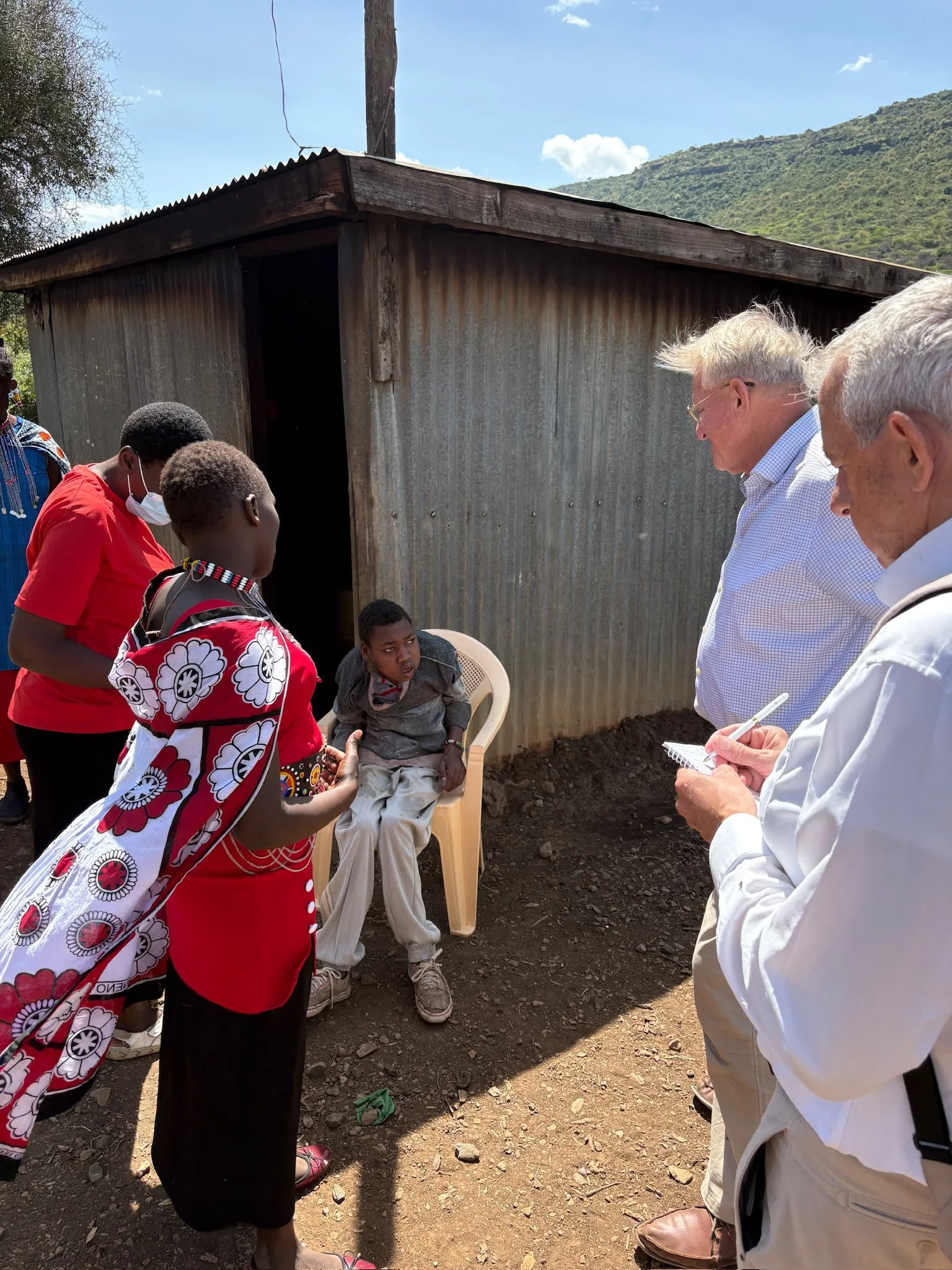
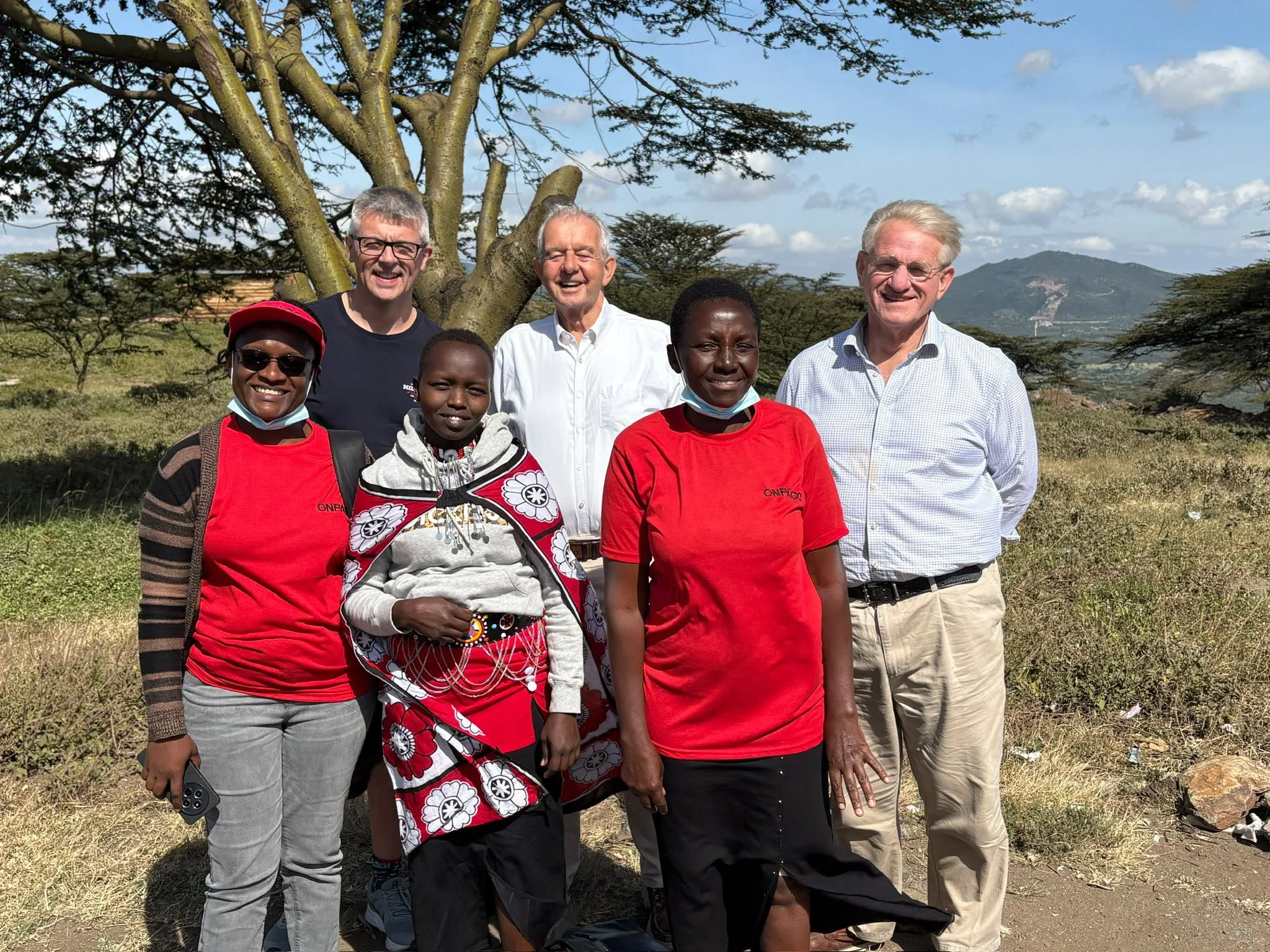
Hospice Care Kenya
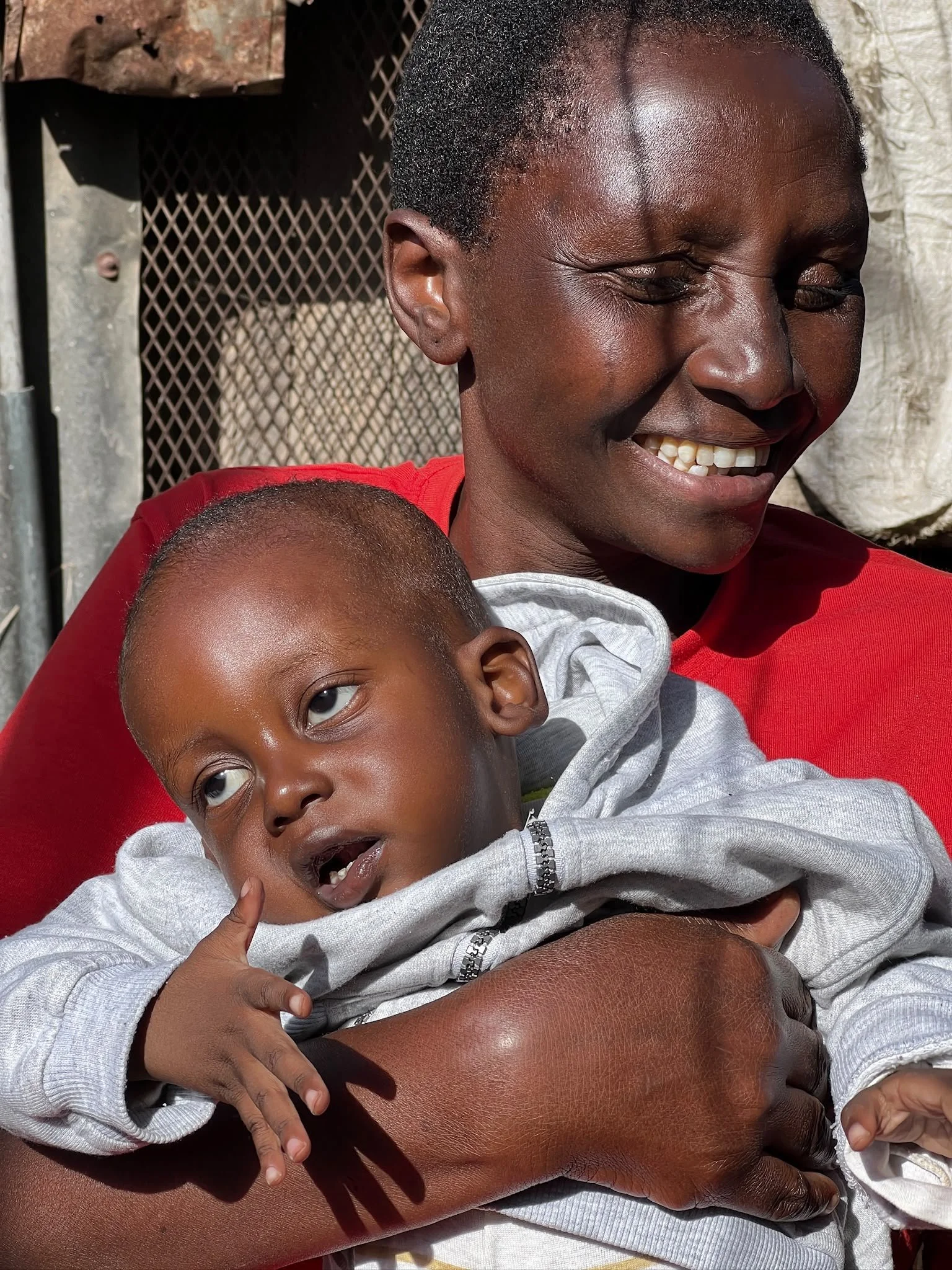
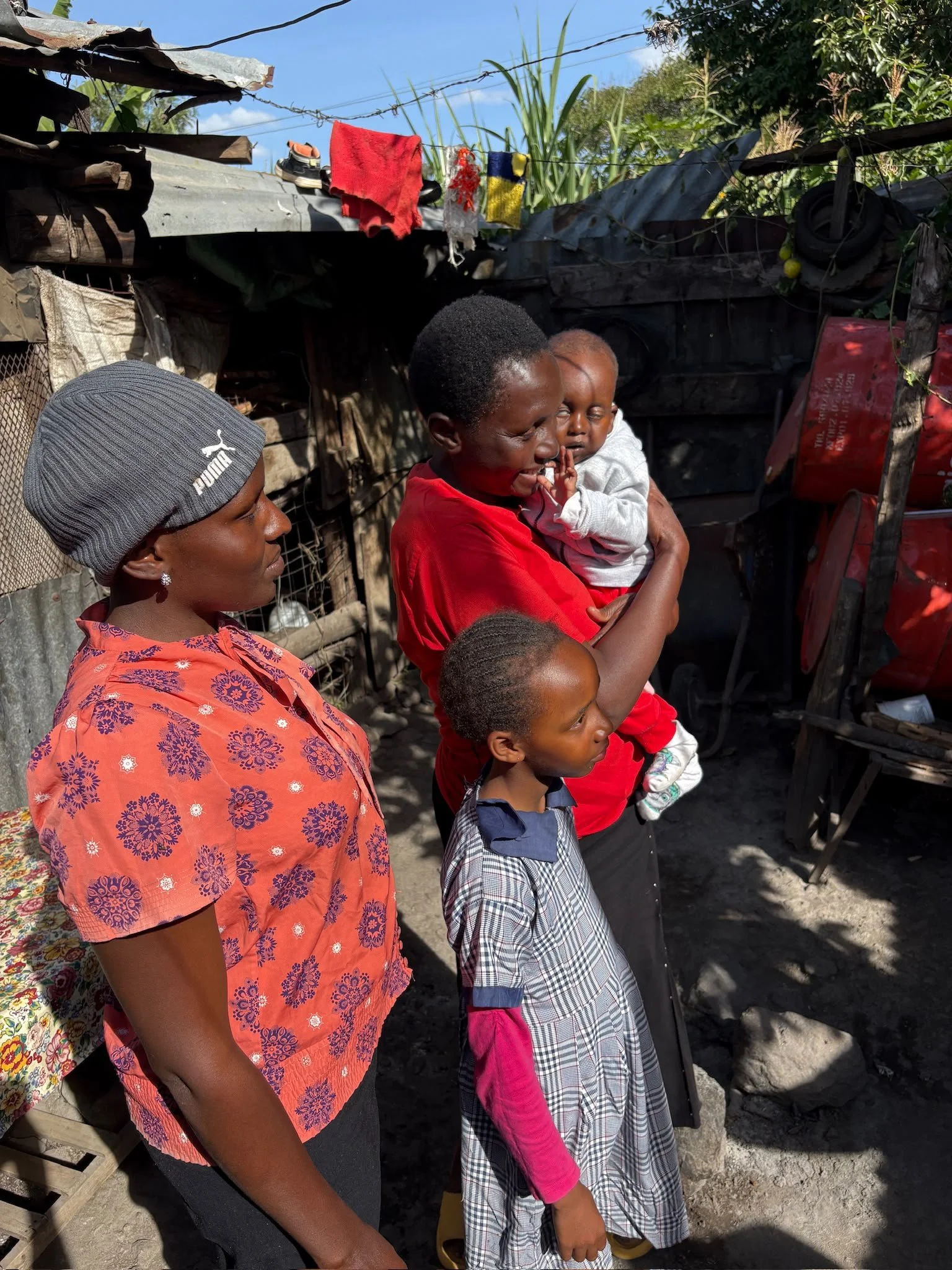
In rural Kenya, disability is often hidden due to stigma. Mothers may be blamed, fathers may leave, and families can fall into deep poverty. Hospice Care Kenya works to break this cycle by encouraging families to bring children out of hiding, access community support, and share responsibility.
We met:
Kai Tei, 22, living with autism and cerebral palsy. Community volunteers help his mother cope with daily care.
Joy, 11, whose grandmother supports her so her mother can volunteer and run a small jewellery business.
Israel, 30 months old, severely underweight and unable to sit unaided. ABF is funding his diagnostic tests in Nairobi.
These stories were some of the most moving moments of the trip.
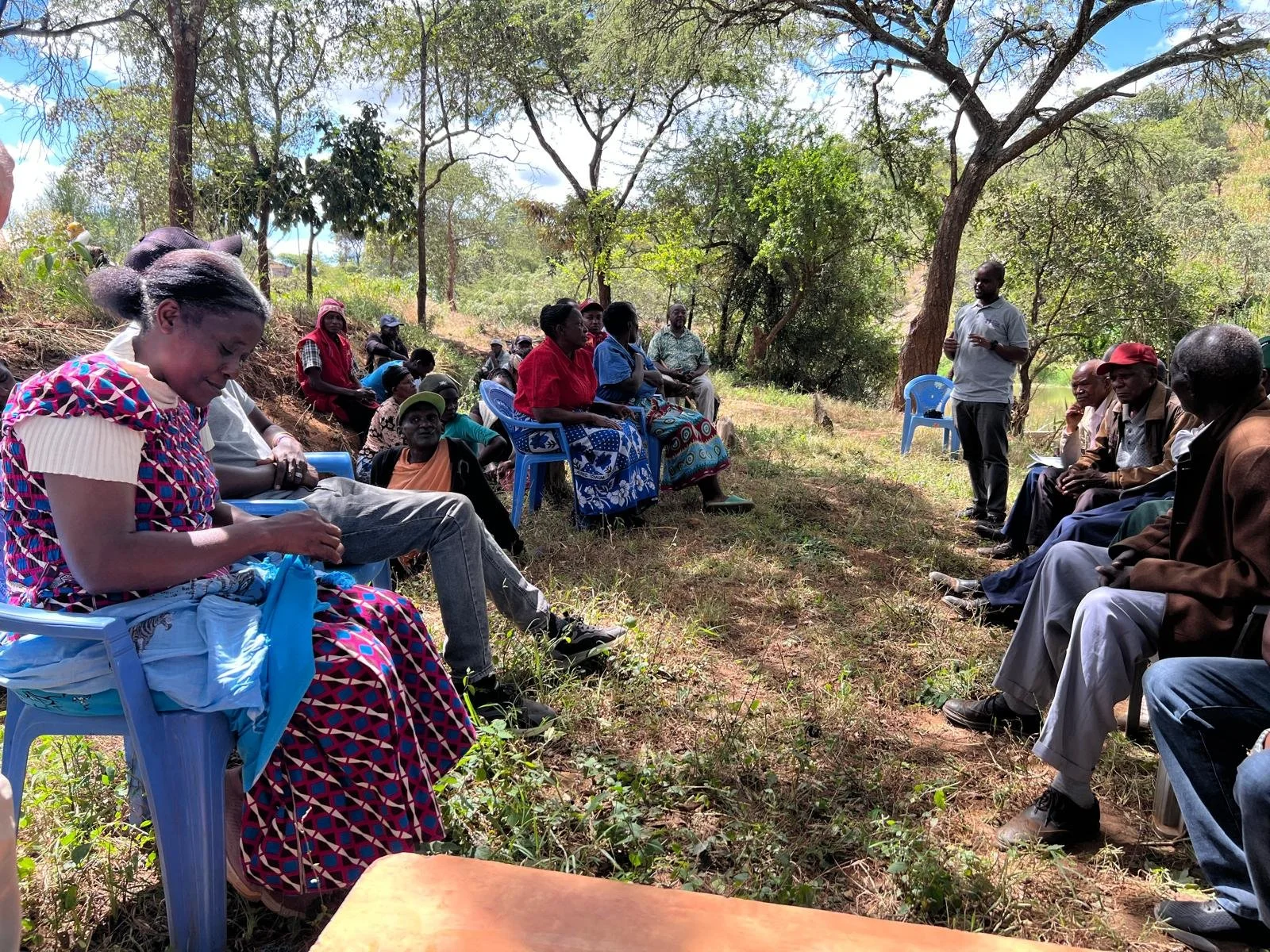
Sand Dams – Kenya
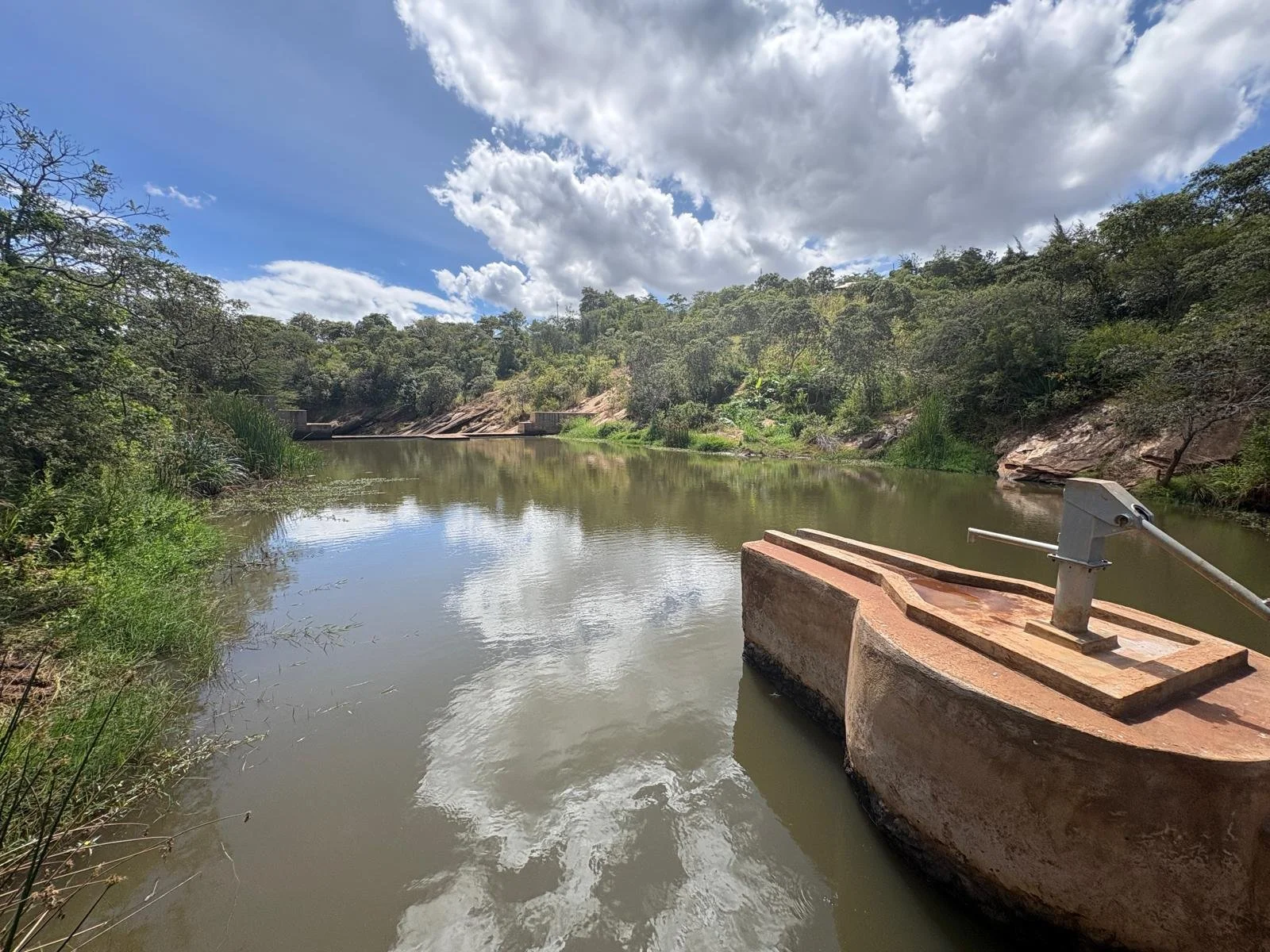
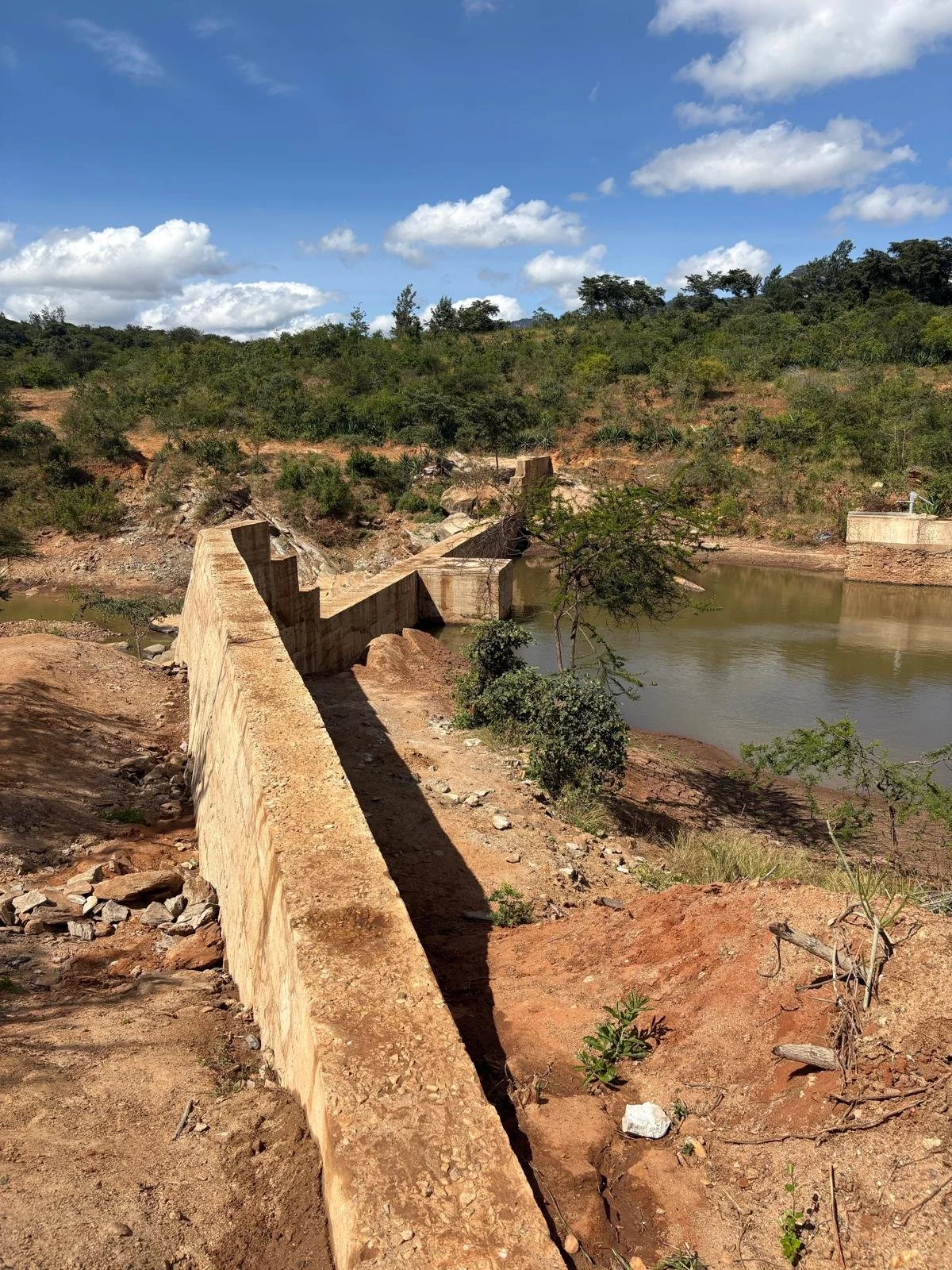
In Upper Syunident village in Kenya, we saw the remarkable impact of a sand dam supported by the Austin Bailey Foundation.
Sand dams are a relatively simple but highly effective way of capturing and storing water in dry areas. A concrete dam is constructed across a seasonal river and, as sand builds up behind it, water is stored beneath the surface. This helps protect it from evaporation and provides a reliable source of water during dry periods.
What particularly impressed us was the community's involvement. The villagers themselves identified the need for the dam and contributed labour and materials to its construction, while Sand Dams Africa provided technical expertise. ABF funded around 60% of the cost.
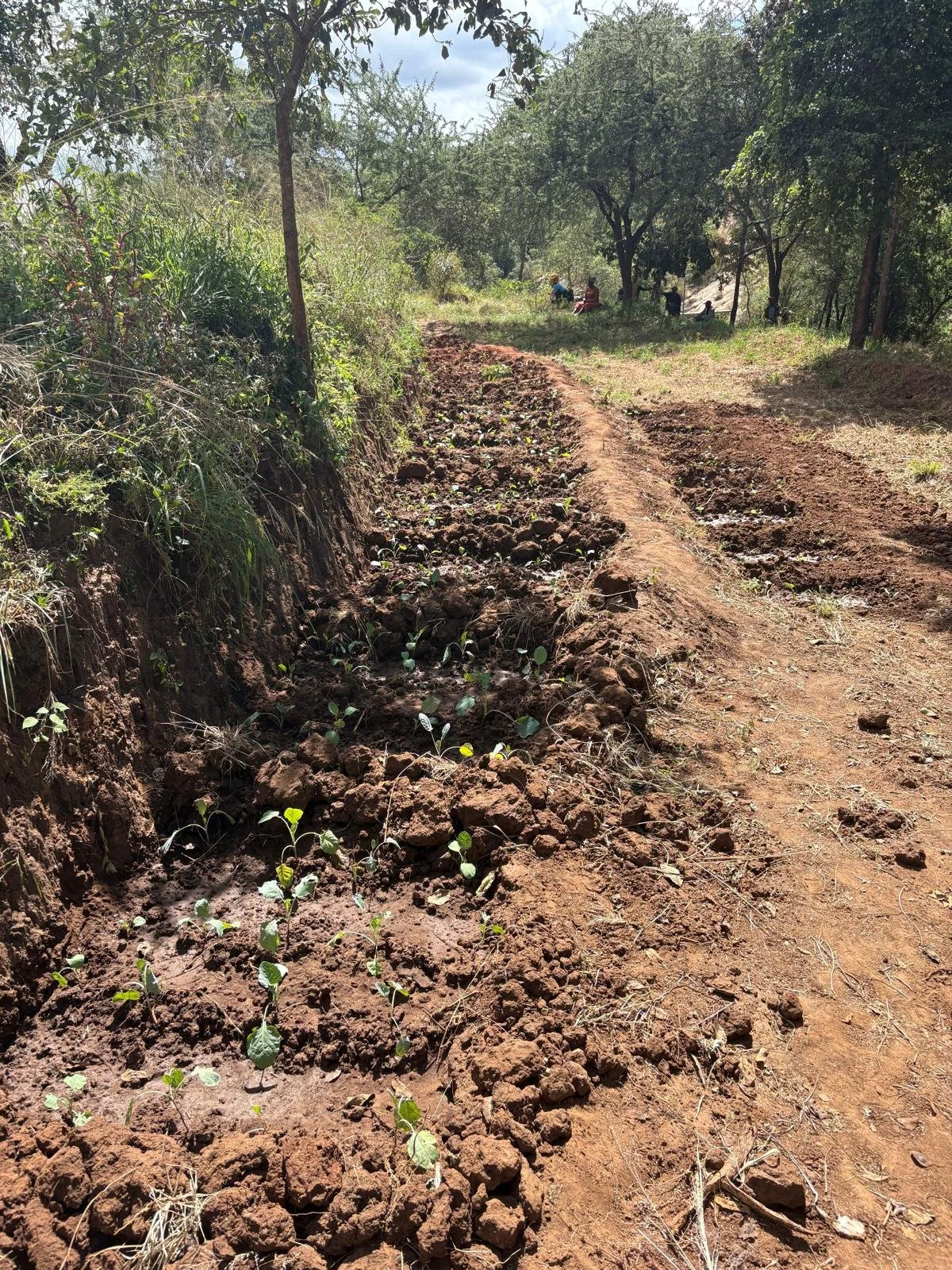
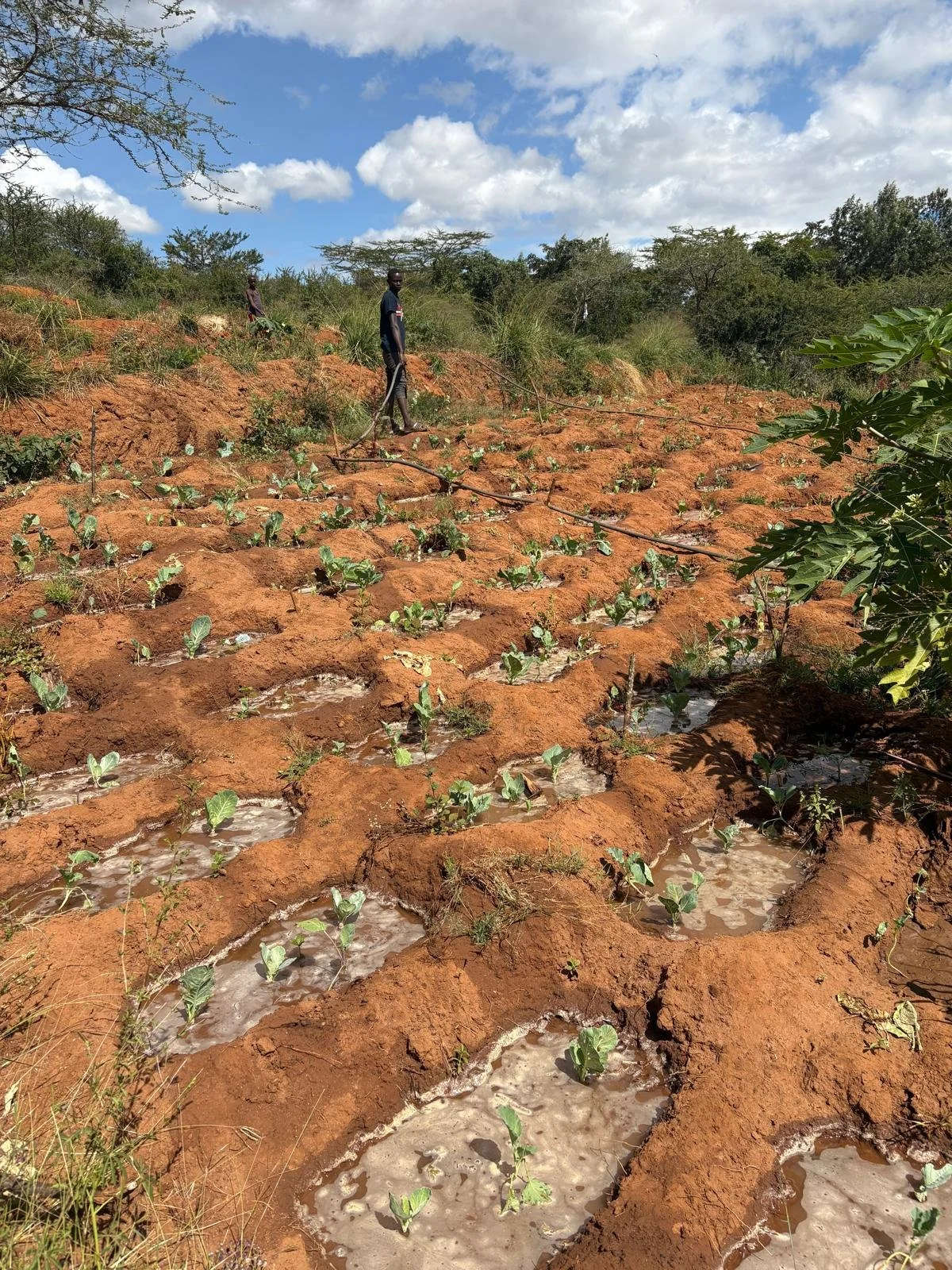
The results extend well beyond easier access to water. Agricultural productivity has increased by an estimated 30–40%, a greater variety of crops can be grown and surplus produce can be sold, providing families with an income.
The pride that local people take in what they have created was unmistakable.
Beyond Water – Malawi
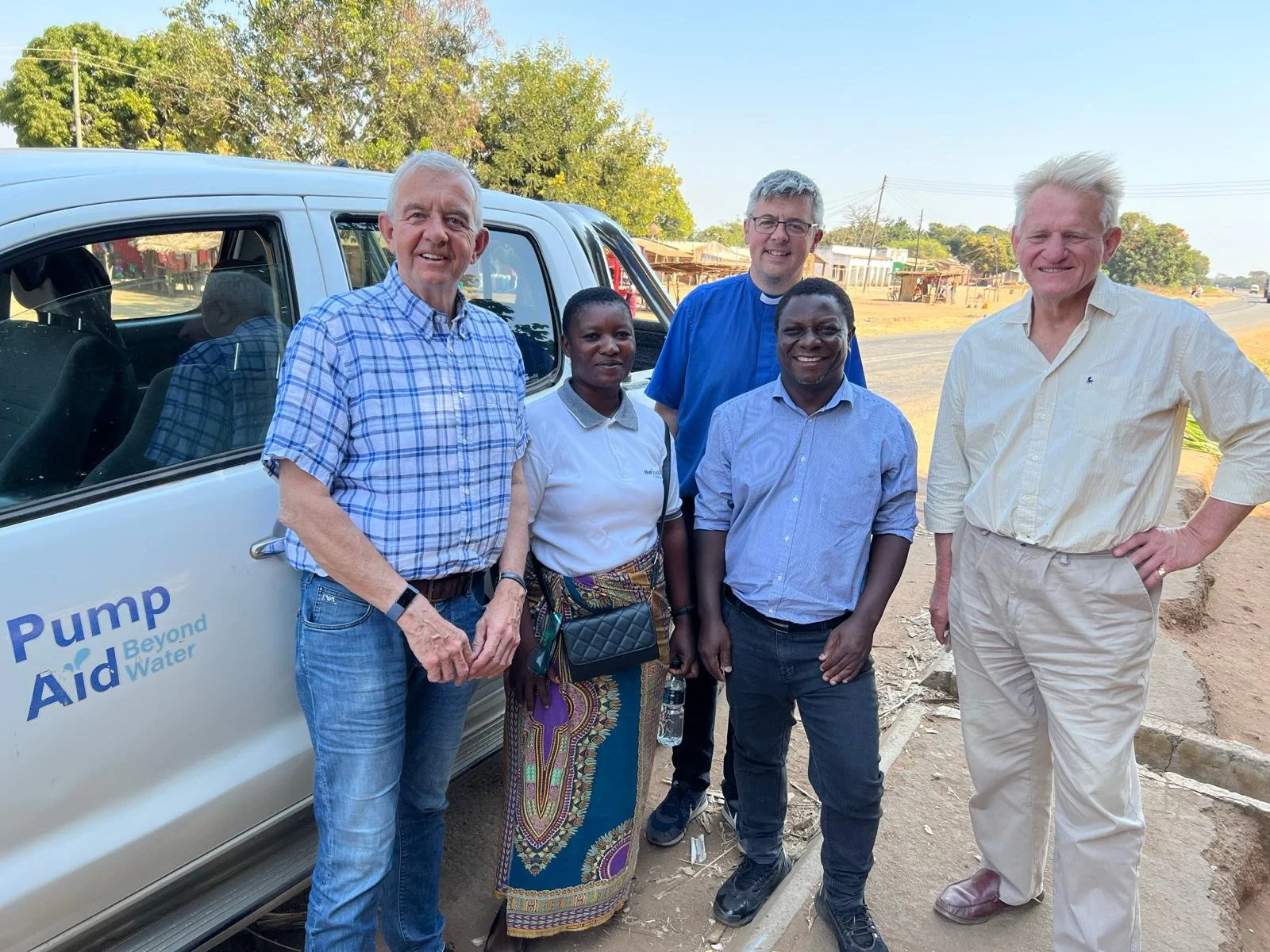
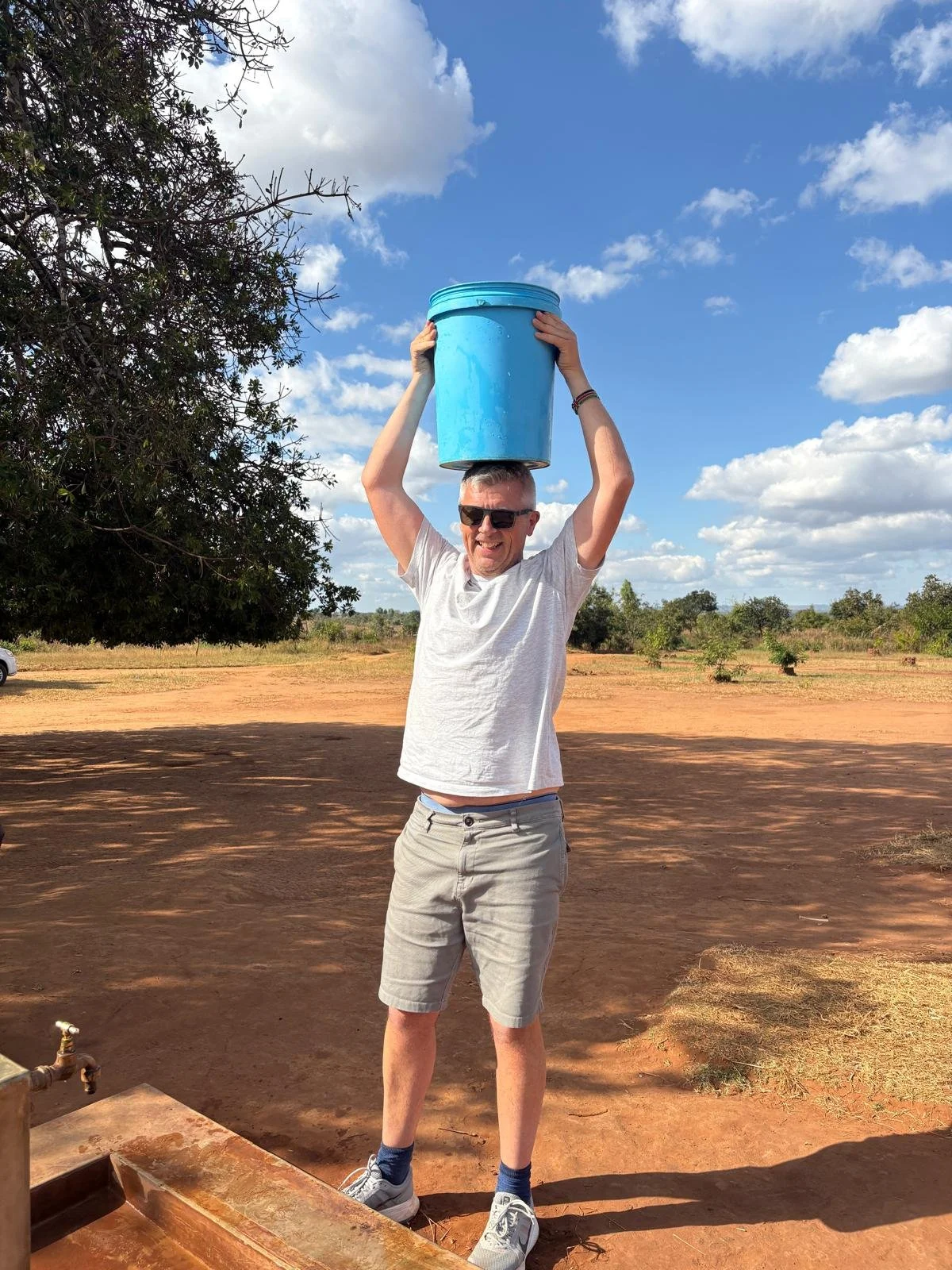
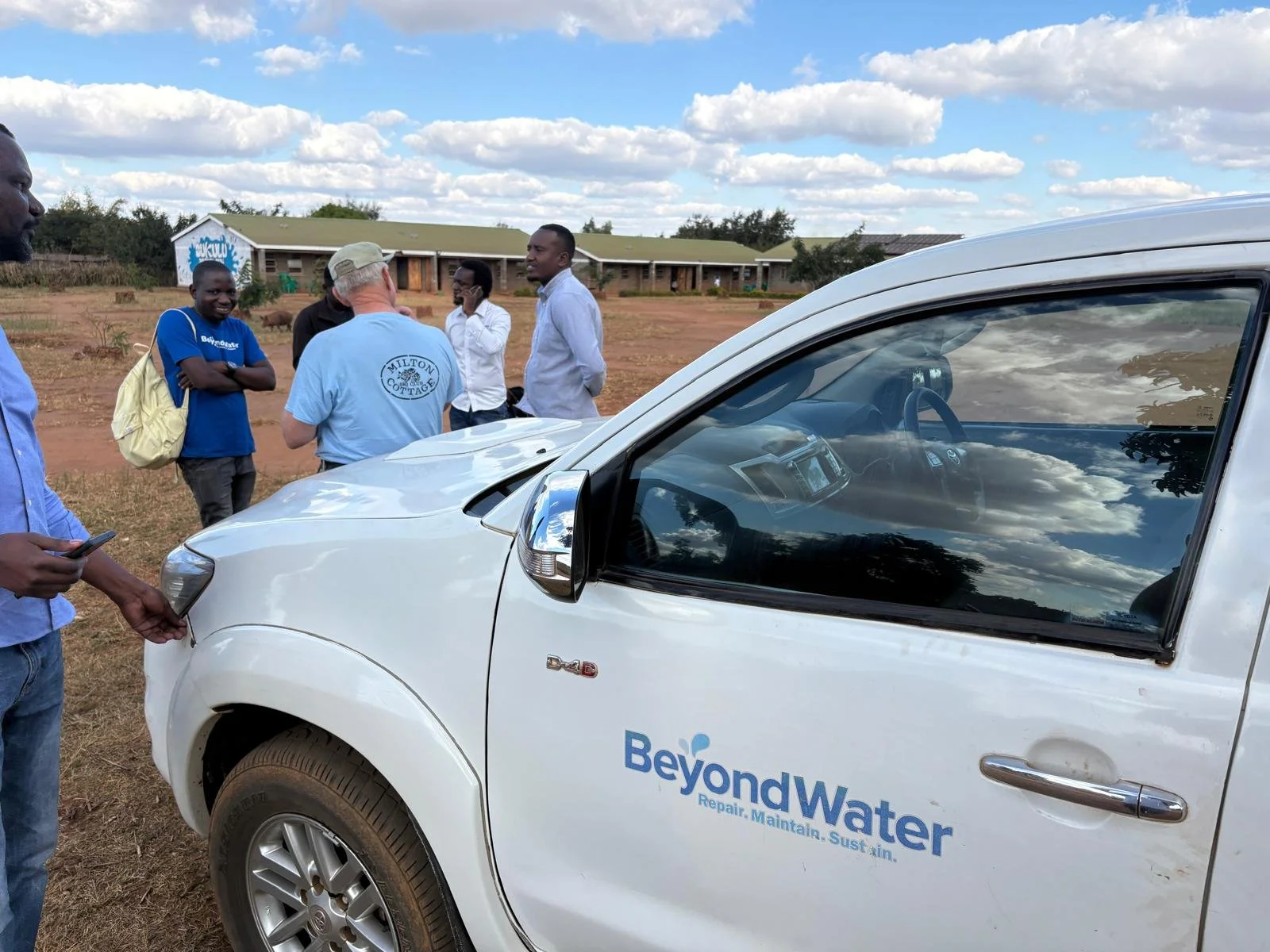
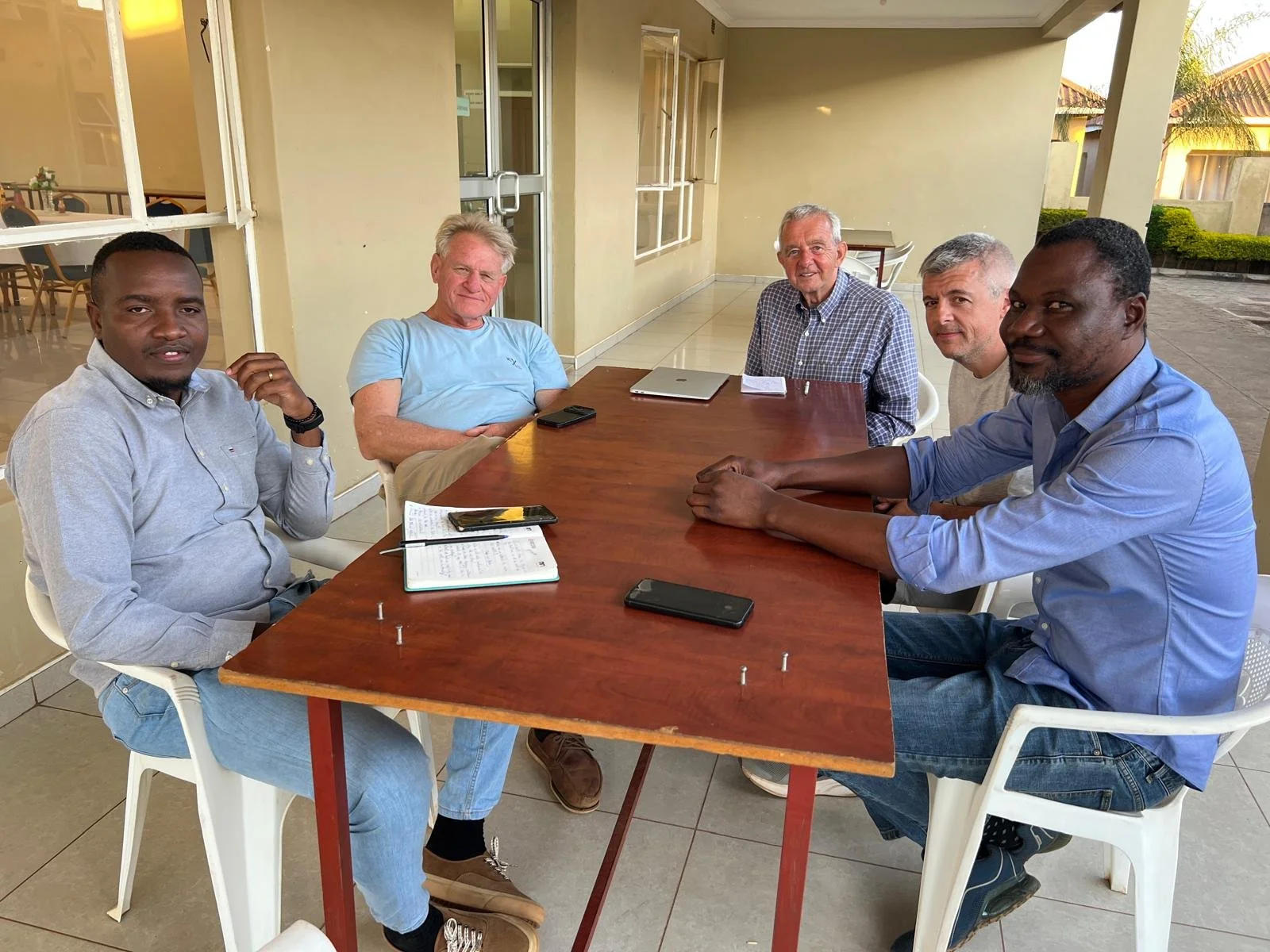
The Foundation has supported Pump Aid, known locally as Beyond Water, since 2018.
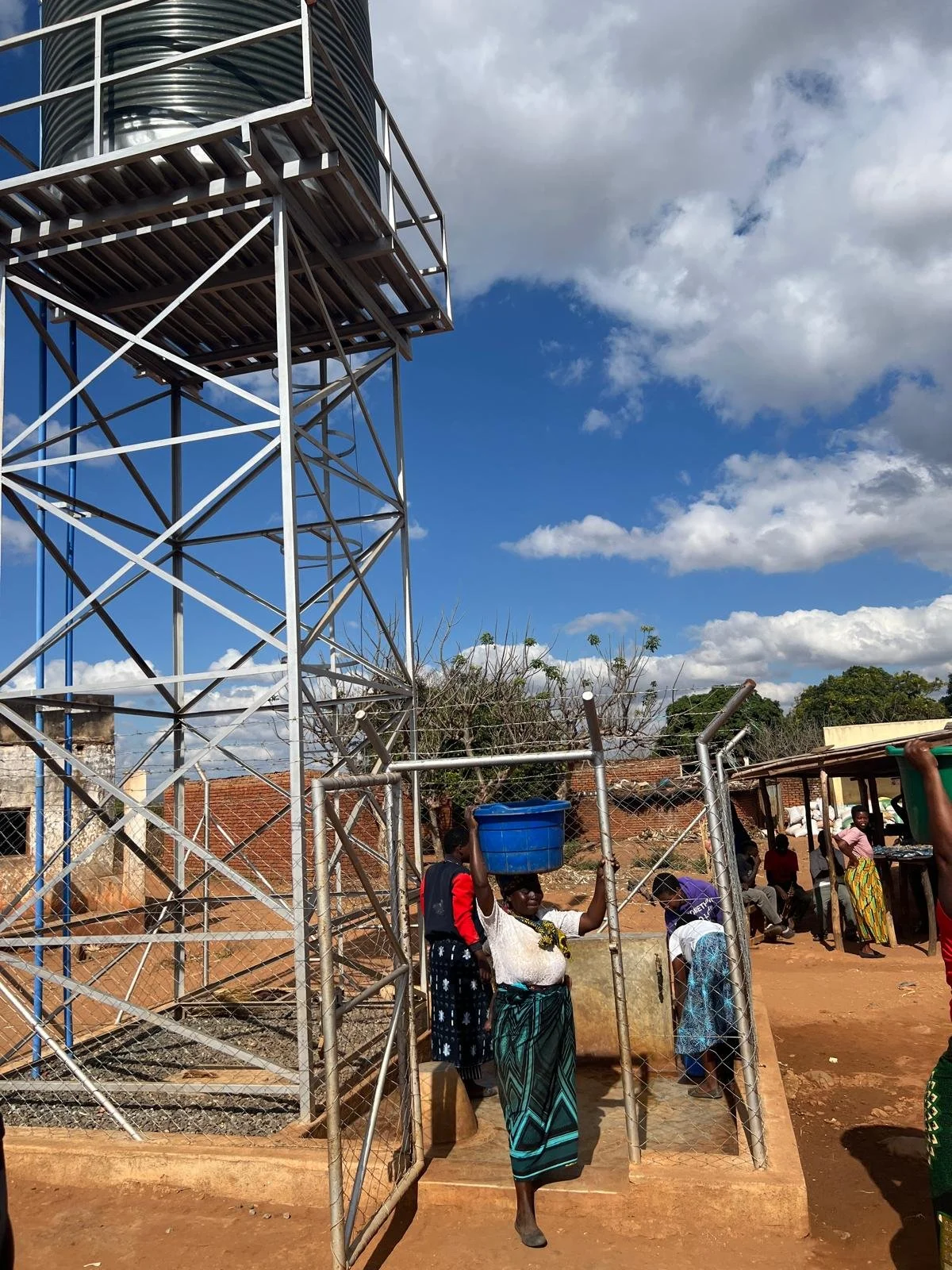
Its work has evolved considerably as Malawi faces the combined challenges of a falling water table, population growth and the maintenance of existing water infrastructure. Rather than concentrating on installing new hand pumps, Beyond Water increasingly provides maintenance and technical expertise to keep existing water supplies working.
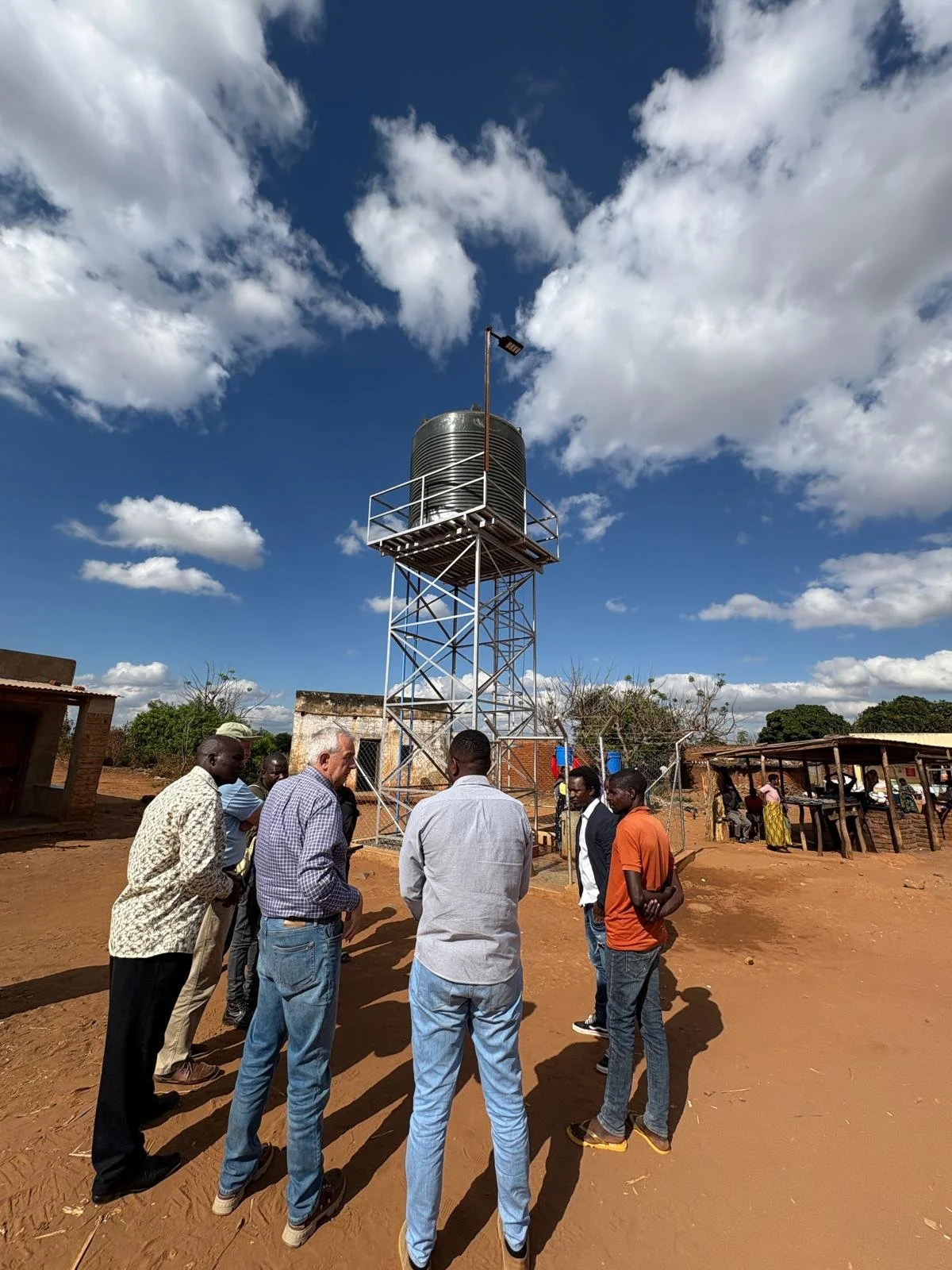
We also saw a solar-powered water system at Nduwa village. Although significantly more expensive than a traditional hand pump, solar systems can provide much larger volumes of water and serve communities where hand pumps may not be suitable.
The visit reinforced an important lesson: providing a water source is only the beginning. Ensuring that it continues to work reliably for years afterwards is just as important.
Find Your Feet – Malawi
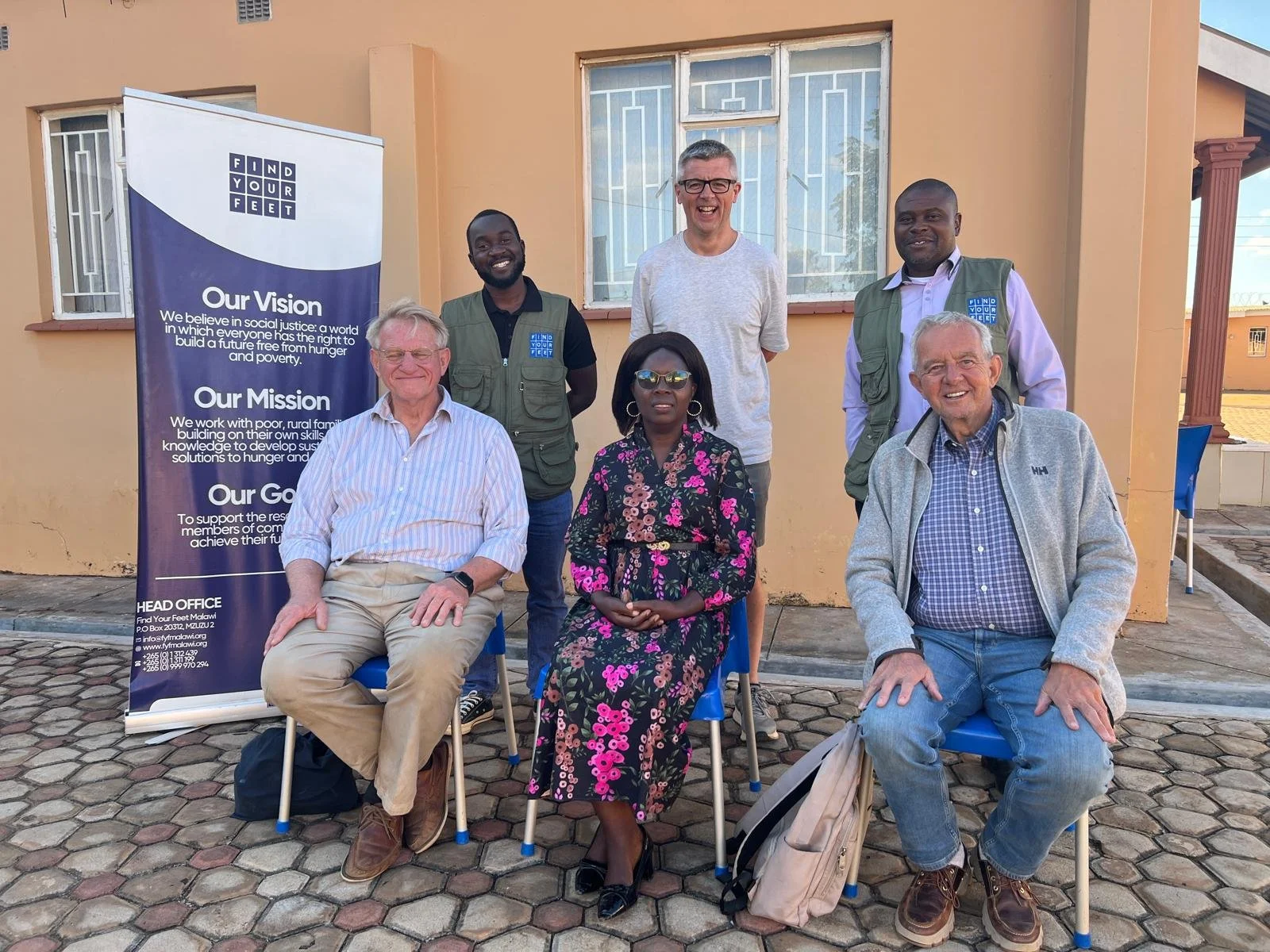
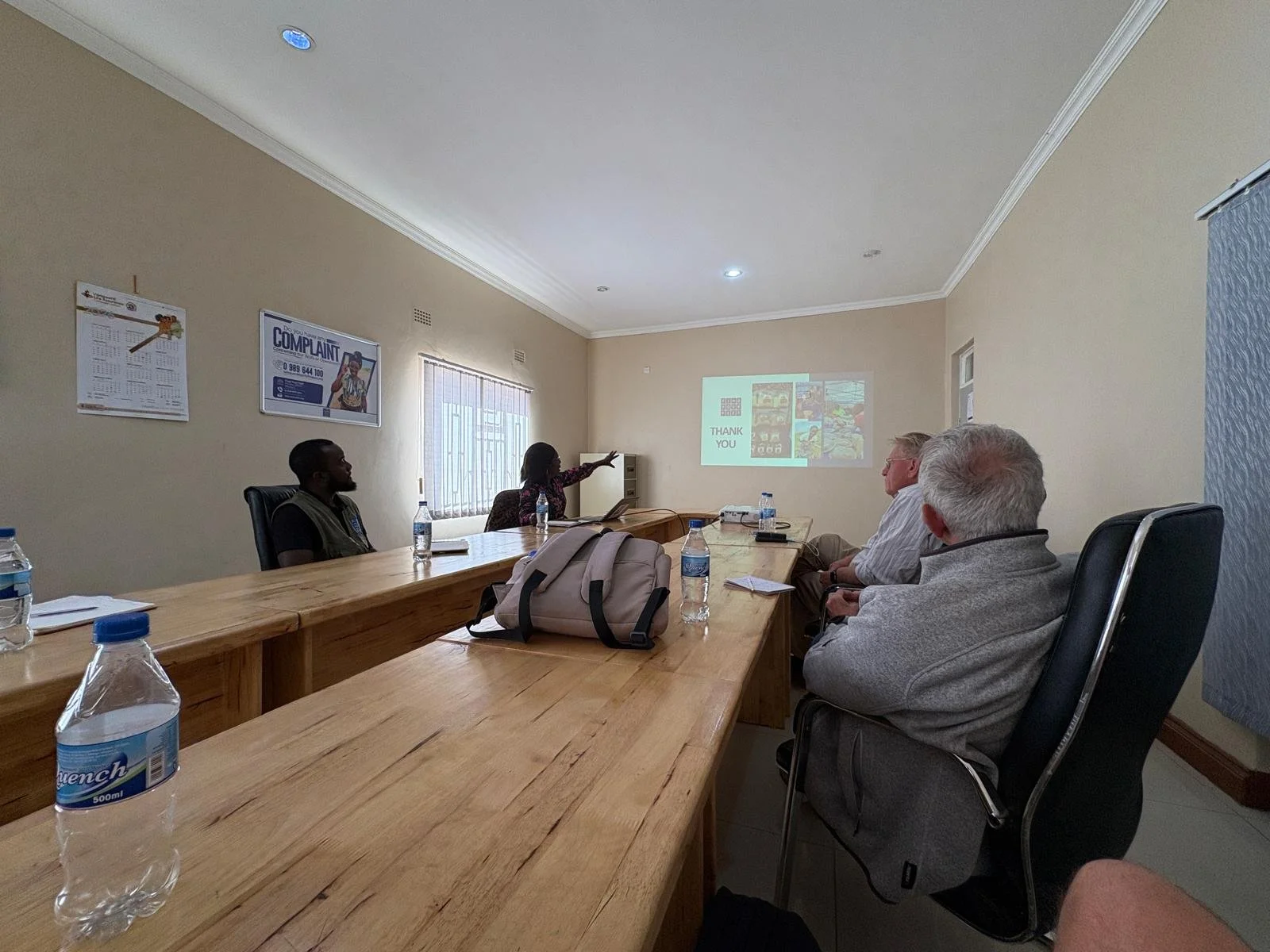
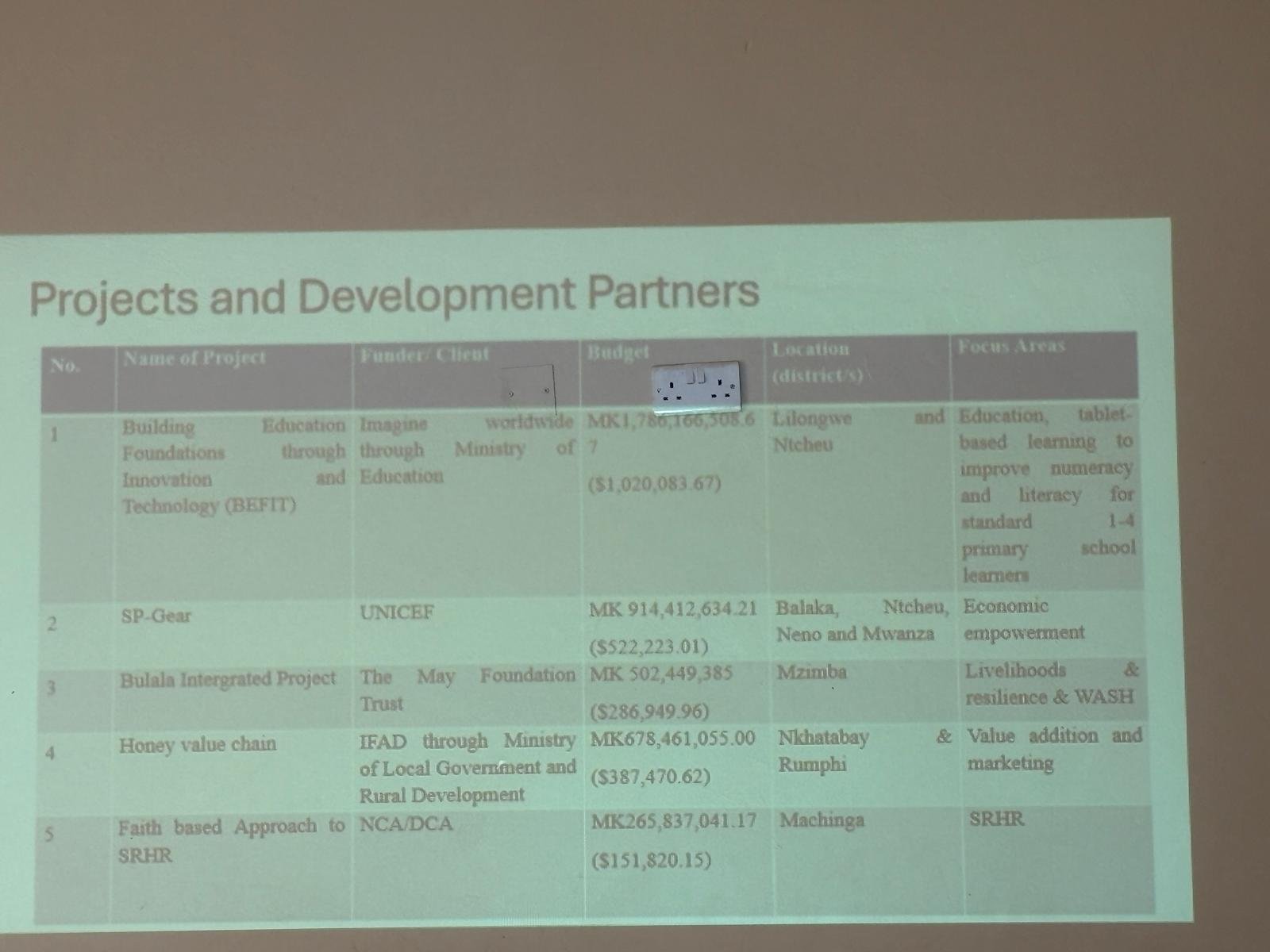
An unexpected extra day in Malawi gave us the opportunity to visit Find Your Feet, which recently received a small grant from ABF.
The organisation works across agriculture, education, microfinance and other areas and has developed an impressive ability to raise much of its funding within Malawi from international donors.
One of its largest current programmes provides tablet computers to children in 37 schools. The tablets have proved extremely popular and the organisation reports improvements in both attendance and educational performance.
Like many organisations we met, Find Your Feet is operating in a difficult funding environment. However, its ability to develop locally generated sources of funding may provide a useful model for the future.
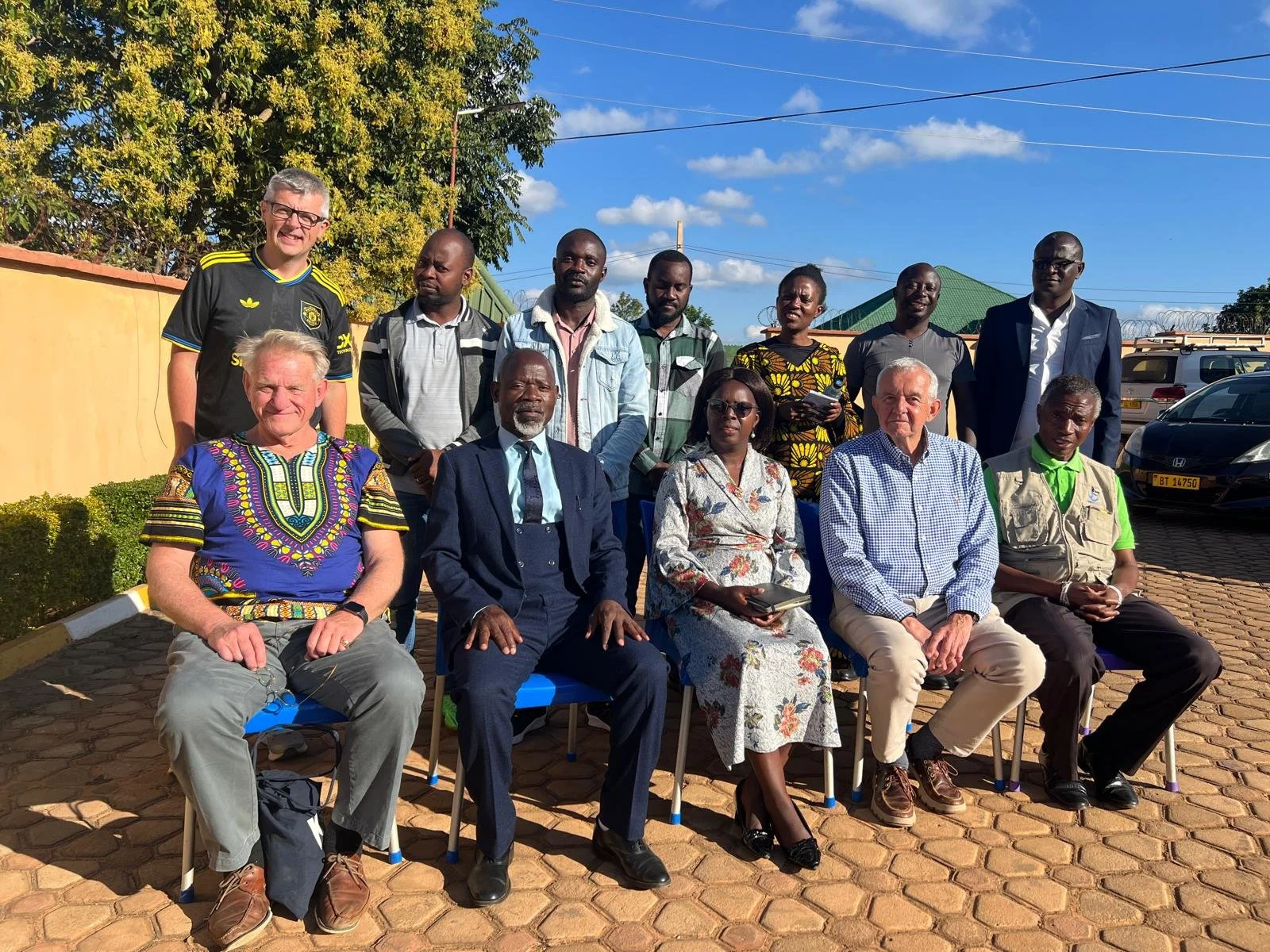
Tiyeni – transforming farming in Malawi
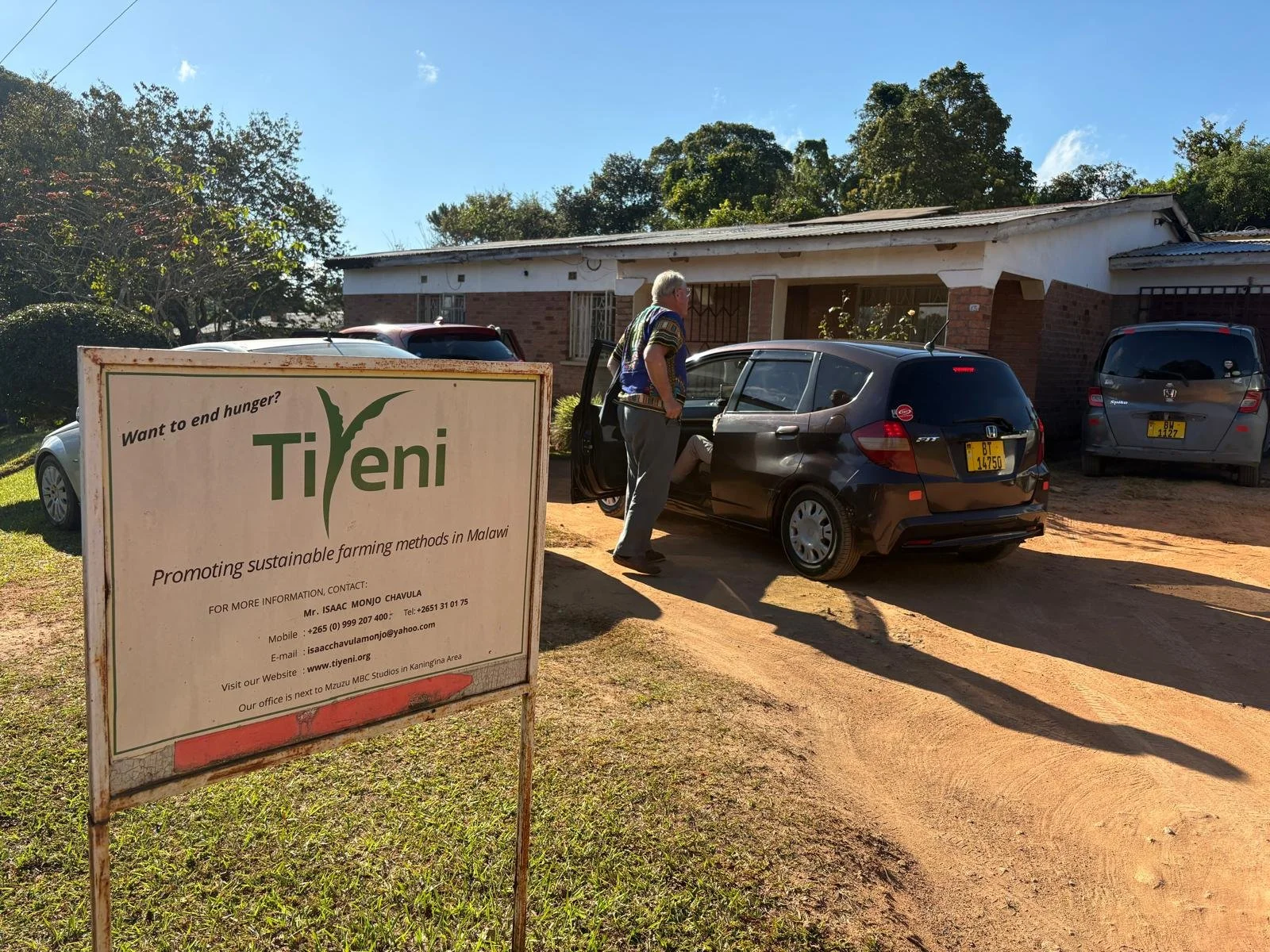
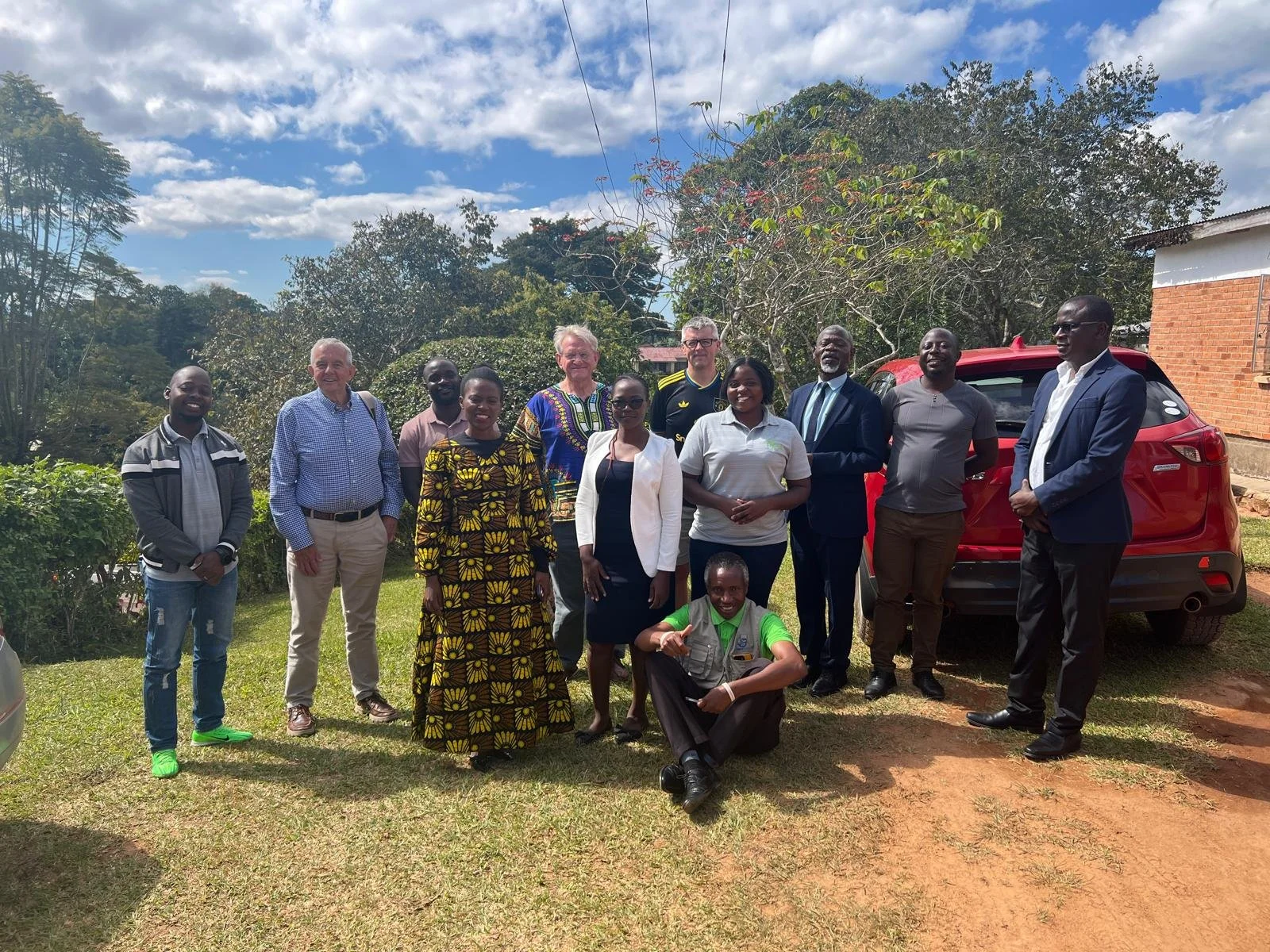
Tiyeni is one of ABF's longest-standing partners and has received £42,000 from the Foundation since 2019.
Its Deep Bed Farming (DBF) technique is designed to improve soil quality, conserve water and substantially increase crop yields. Tiyeni reports that maize yields using DBF can rise from around 36 bags per acre to more than 80.
That additional production matters enormously. Once families can grow more than they need to eat, surplus crops can be sold, generating income that can be used for children's education, improvements to homes and other family needs.
Tiyeni's methods have now received backing from the Malawi Government and DBF has been incorporated into the state school curriculum. Other NGOs are also adopting the technique, and Tiyeni is beginning to look beyond Malawi, including a trial project in Mozambique.
The challenge now is scale. Around 37,000 farmers have adopted DBF in a country with approximately 4.7 million farmers. The potential is considerable if the organisation can secure the funding needed to reach many more communities.
Temwa – supporting young people
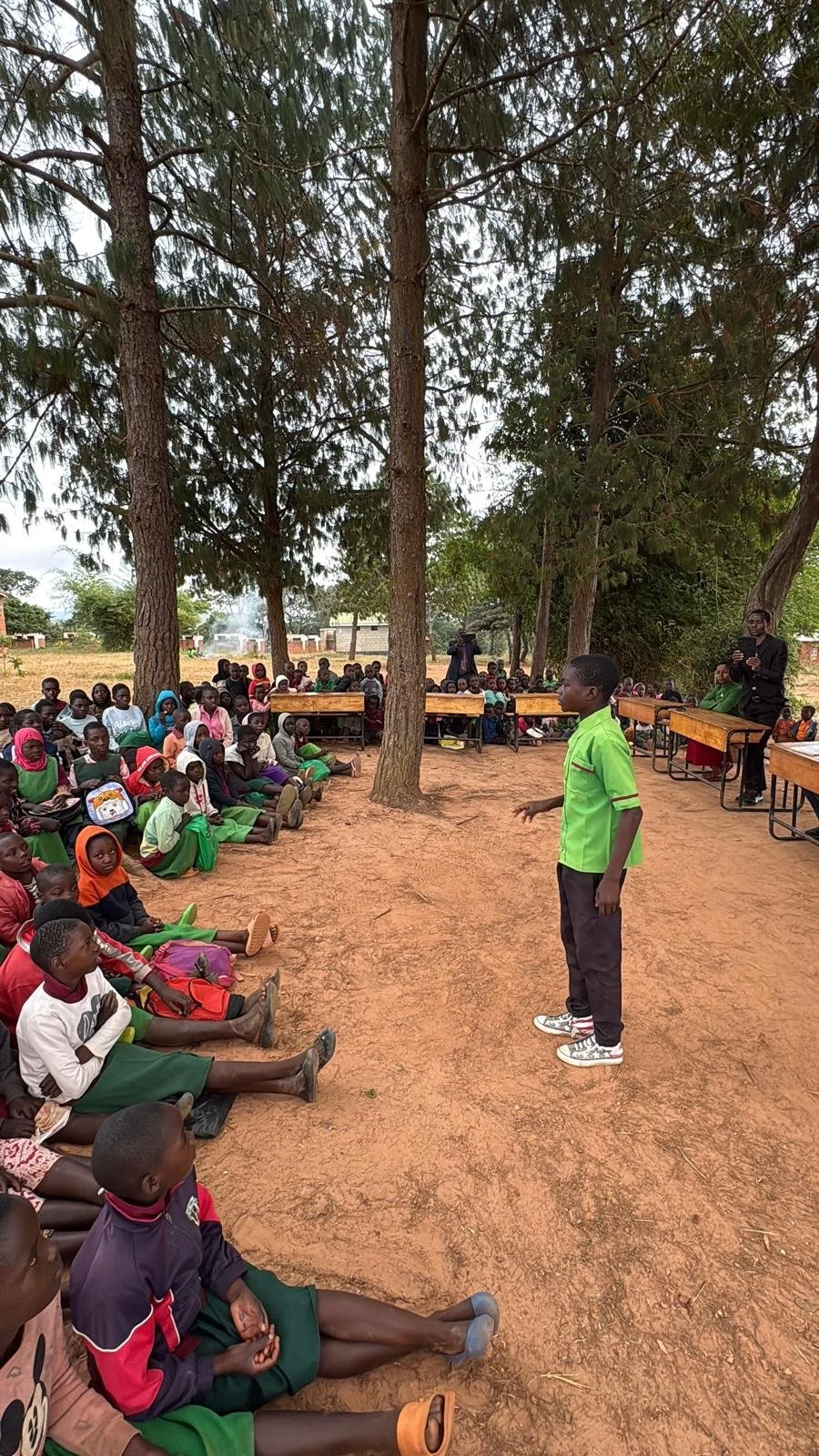
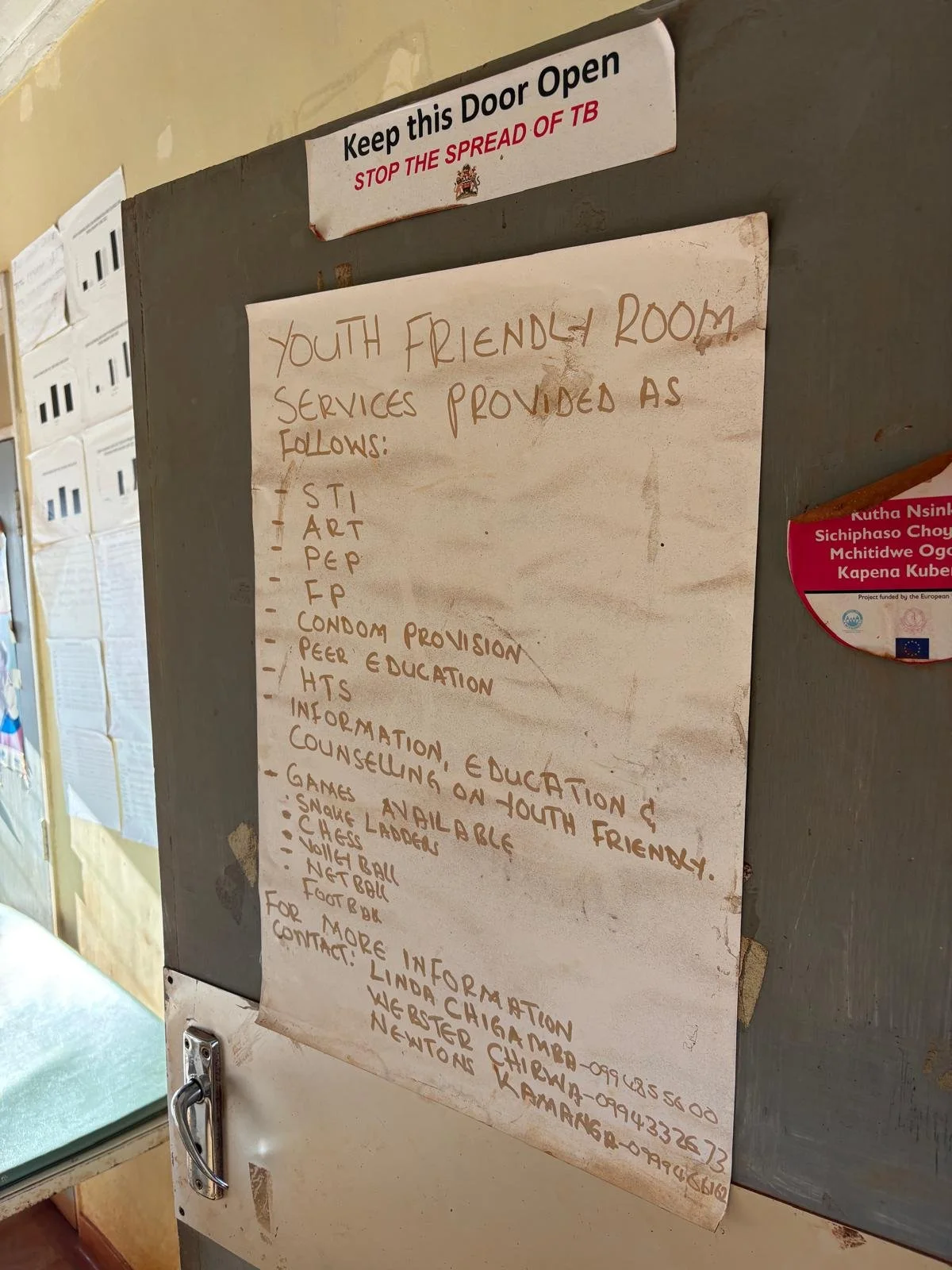
ABF is providing £27,000 over three years to Temwa for a Sexual and Reproductive Health and Rights programme in Nkhata Bay North, an officially designated hard-to-reach area of Malawi.
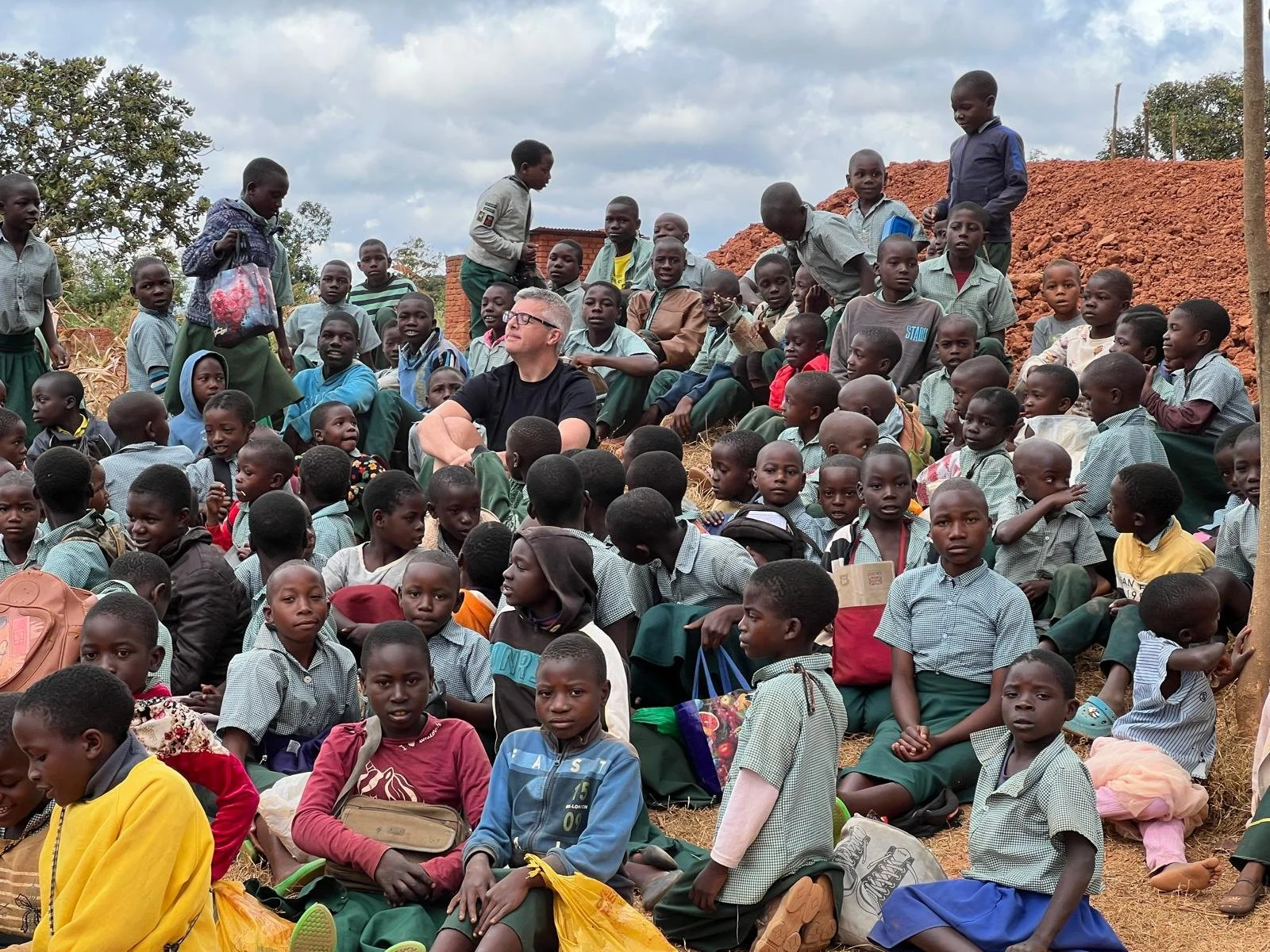
The programme provides young people with information and access to advice and health services through schools, youth clubs and health centres. It aims to reach 30,000 young people over three years and had reached around 17,000 by the time of our visit.
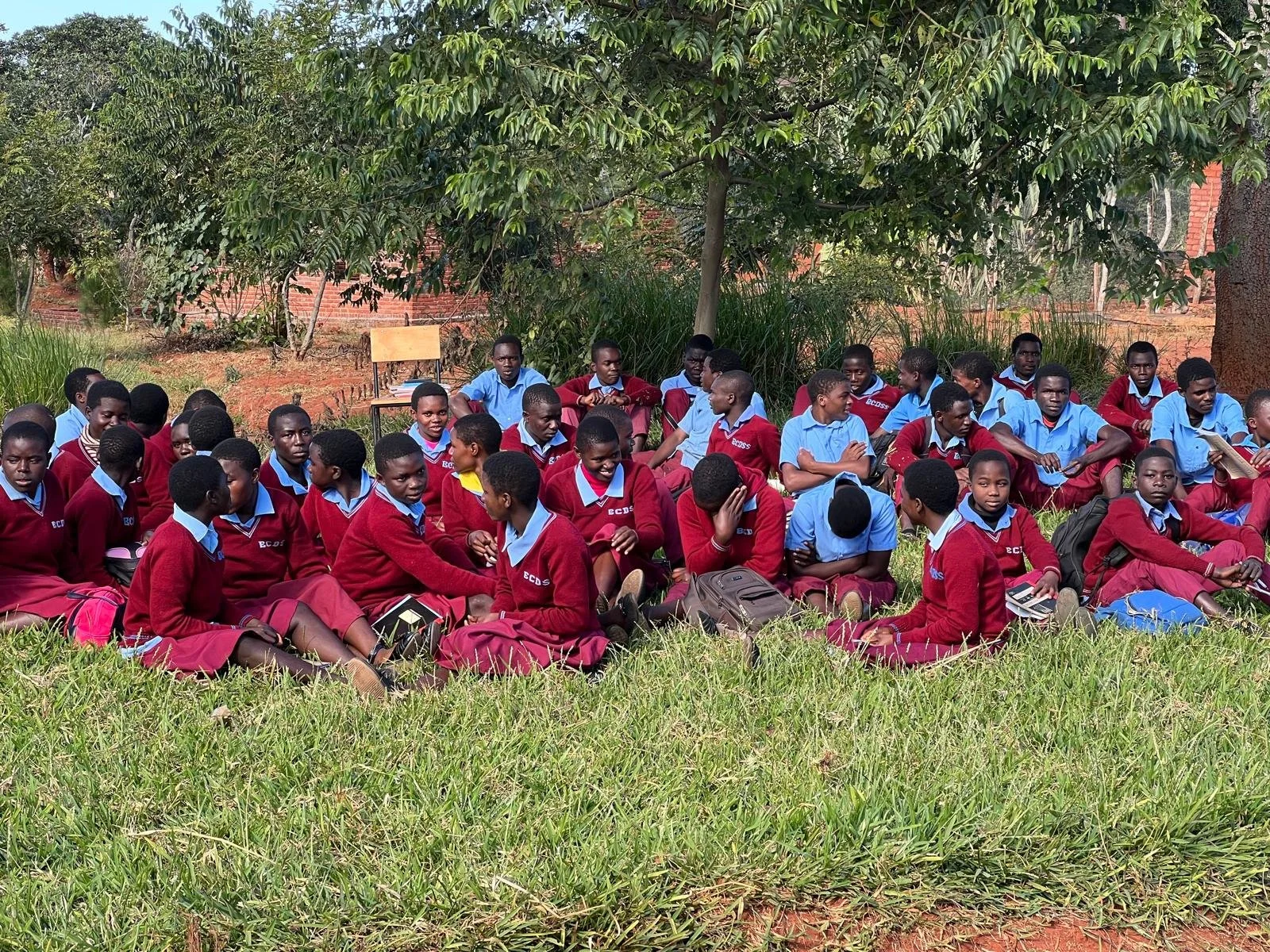
At Bula Secondary School we met around 30 pupils involved in the programme. They spoke with confidence and enthusiasm about their youth club, which combines health education with activities including sport, vegetable growing and entrepreneurship.
The results reported by the school are particularly encouraging. In the year before the programme there were six teenage pregnancies; this has since fallen to zero. School dropouts have also fallen from 24 to eight.
Seeing the enthusiasm with which the young people had taken ownership of the programme was one of the most memorable moments of our journey.
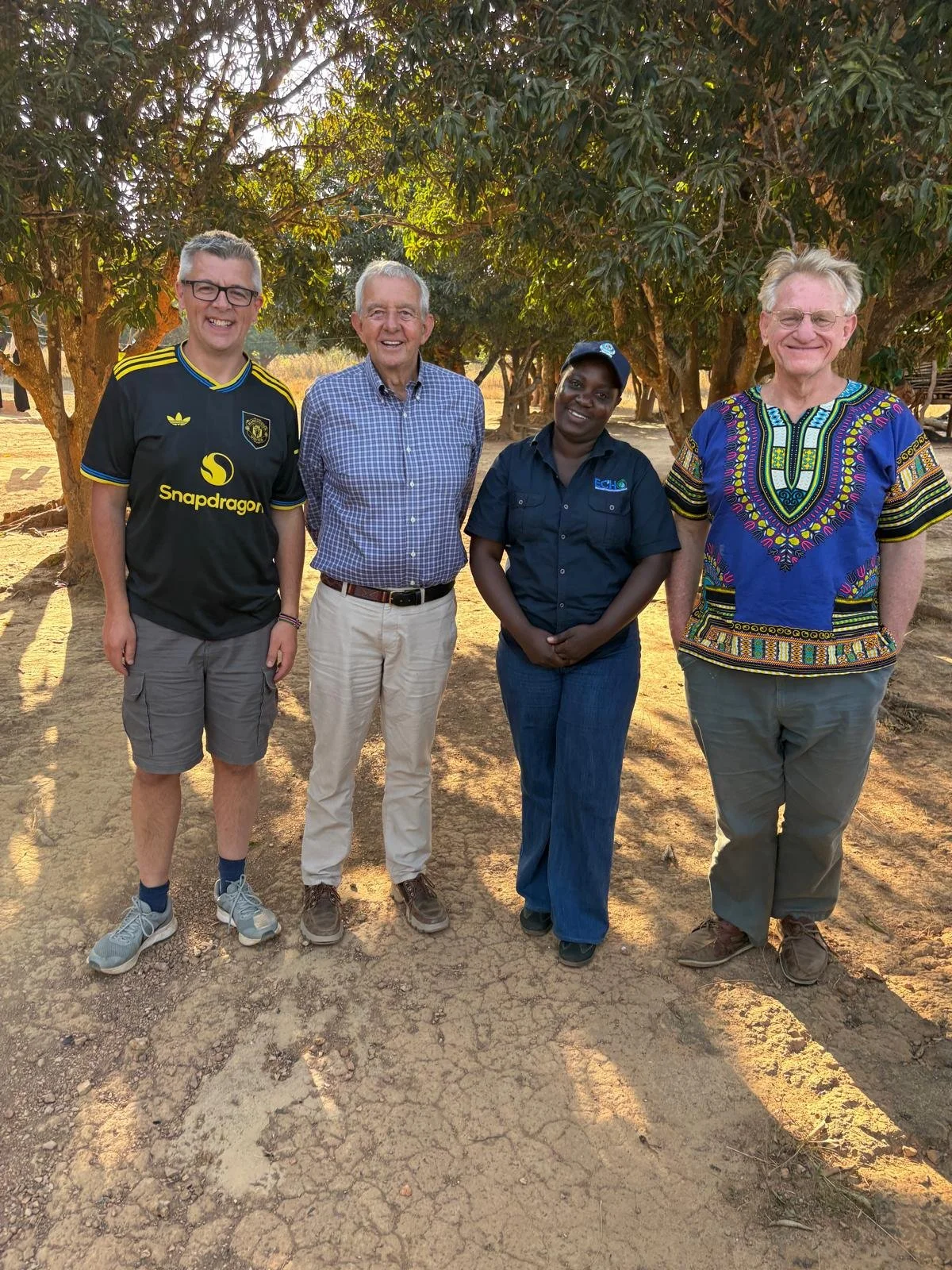
Village Water/ECHO – Zambia
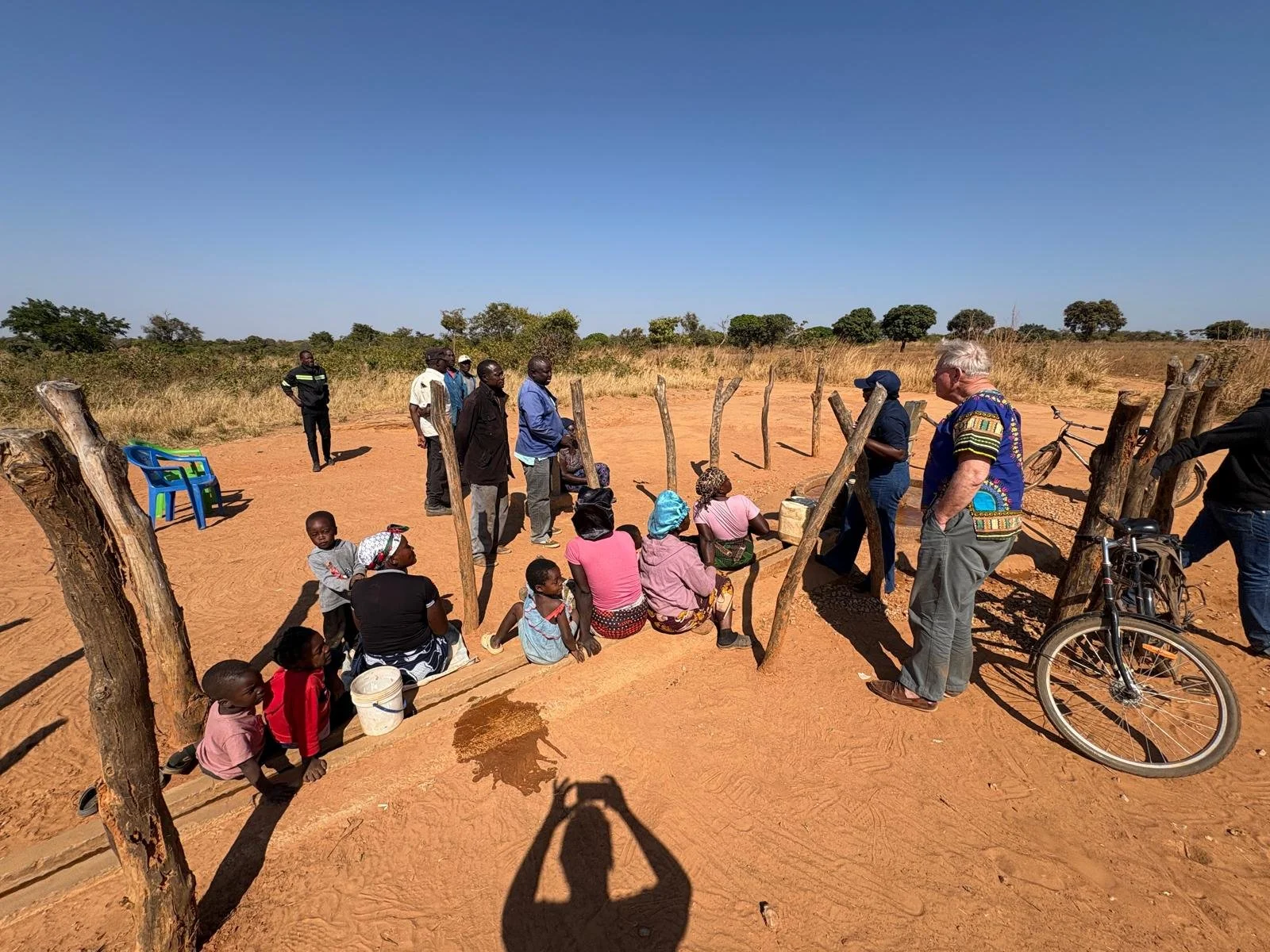
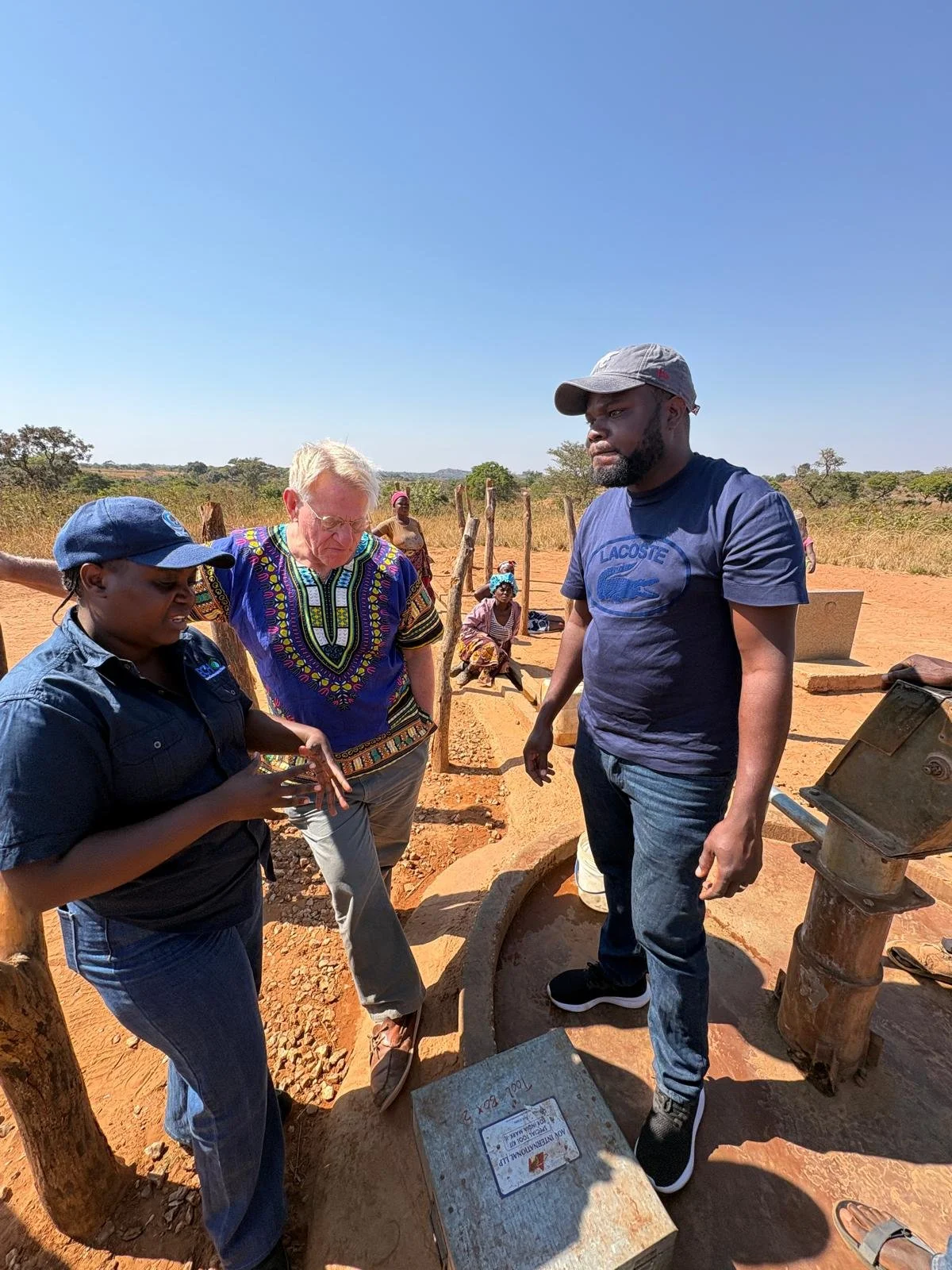
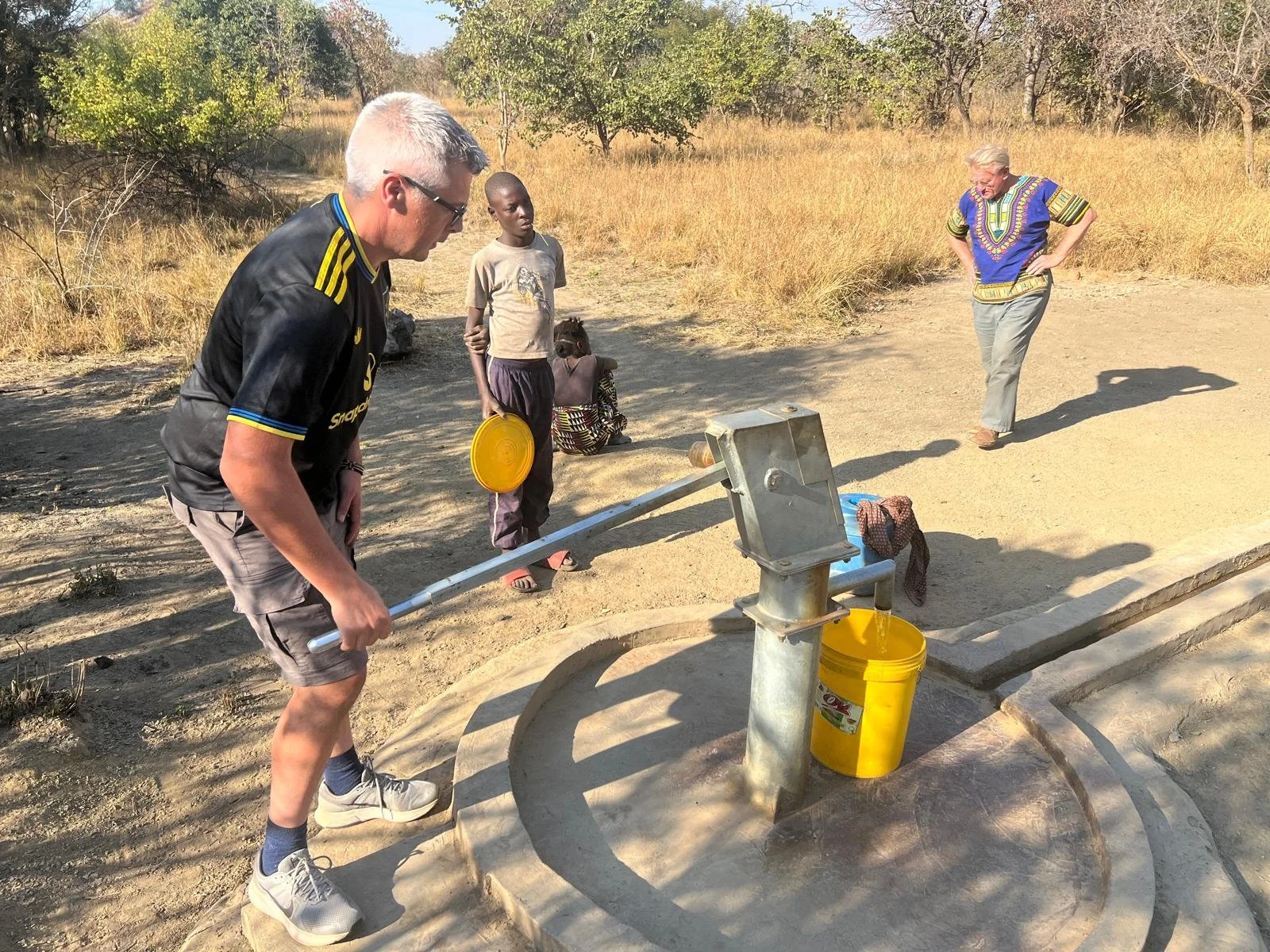
Our final visits were in Zambia, where ABF is providing a £27,000 three-year Flagship grant to support Village Water and its Zambian partner ECHO.
Their work focuses on water, sanitation and hygiene, with particular emphasis on ensuring that water supplies remain reliable after they have been installed.
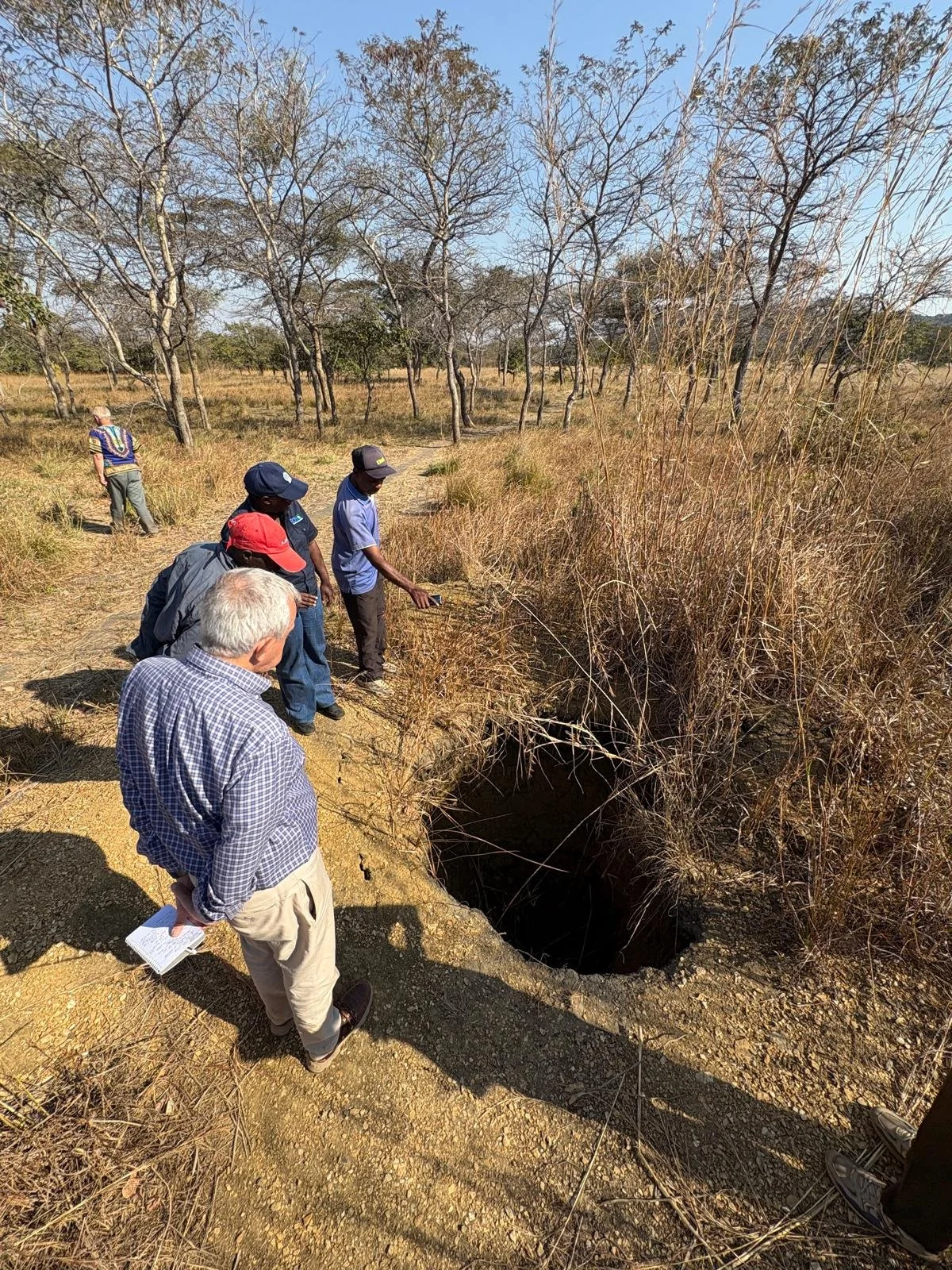
Around Mumbwa we visited communities with recently installed hand pumps and met local people trained to monitor and maintain them. Community groups also help manage the water supply and collect small household contributions towards future maintenance.
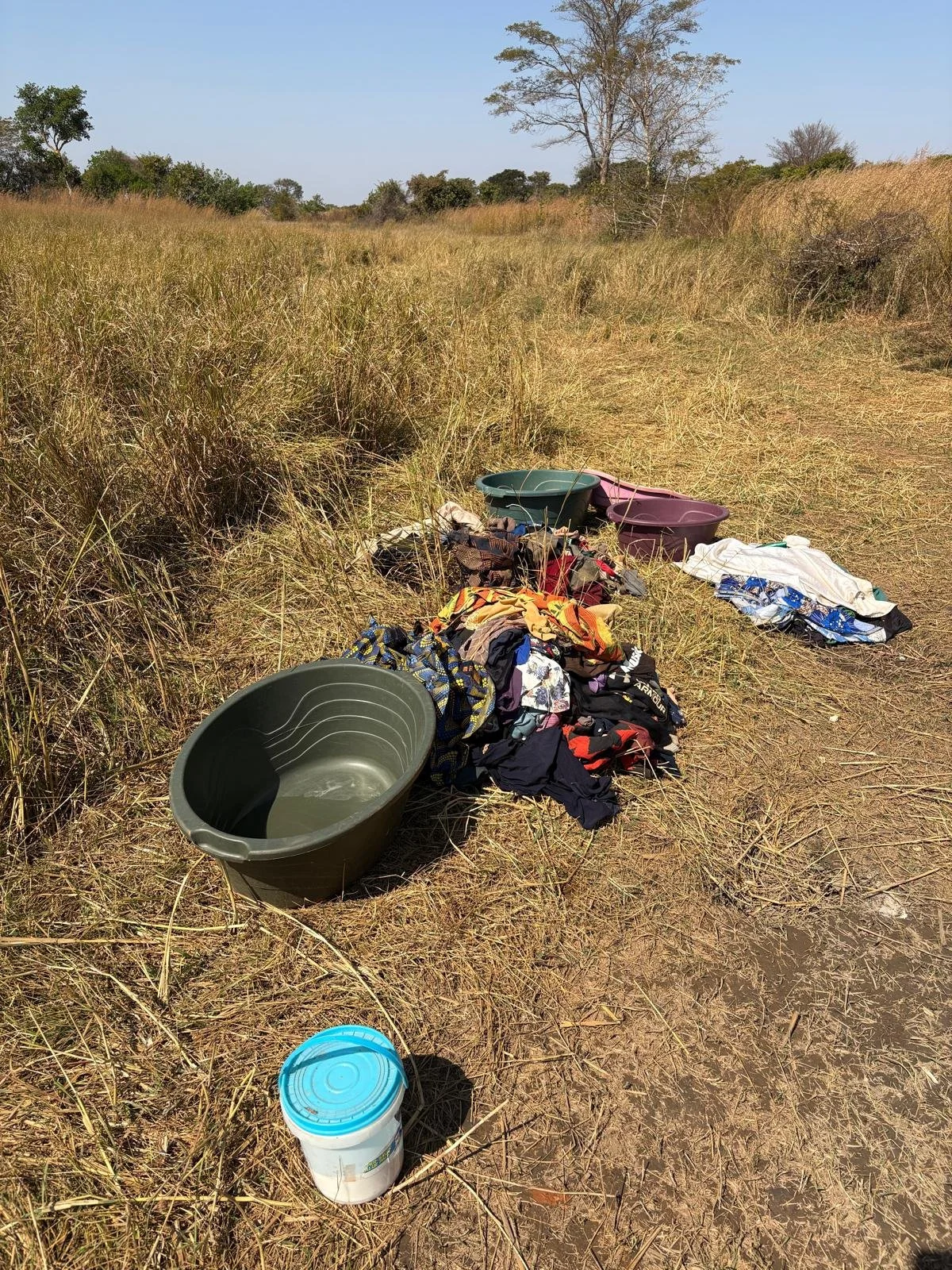
The contrast with the unprotected wells still being used in some more remote areas demonstrated just how important access to safe, reliable water remains.
We came away impressed not only by the improvements already achieved, but by the emphasis on creating systems that local communities can maintain for themselves.
To read a detailed trip report from our Chairman click here
To apply for an overseas grant click here